Your First Major Court Date in a Contested New York Divorce
Key Takeaways: In a contested New York divorce, the preliminary conference is usually the first major court date. The divorce-specific rule, 22 NYCRR 202.16, mainly governs it. The general rule, 22 NYCRR 202.12, applies only where the two do not conflict. At the conference, the judge or court attorney meets with both spouses and their lawyers to sort out which issues are settled and which are disputed. They also set deadlines for financial papers, depositions, and expert witnesses, and discuss settlement. The court then issues a written order that both spouses must follow. Spouses may also seek full financial disclosure and fair representation through written questions, court-approved questions to banks and employers, and requests for lawyer fees under DRL § 237. Preparing early matters.
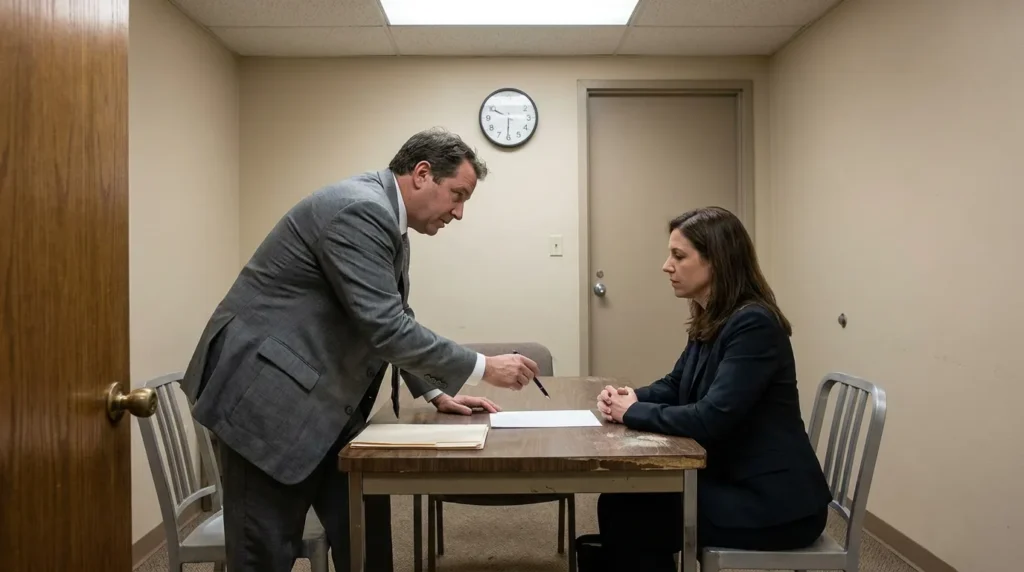
A preliminary conference is usually the first real court date in a contested New York divorce, and it generally sets the schedule for the rest of the case. The judge or court attorney meets with both spouses and their lawyers to name the disputed issues, set deadlines for sharing financial information, and look at whether any issues can be settled. The result is a written order that guides the case. Knowing what to expect can help you walk into court prepared instead of anxious.
The steps you take before this conference may shape how smoothly your case moves forward. Goldberg Sager & Associates helps Brooklyn families prepare for each stage of the divorce process. Call 718-645-6677 or contact us now to talk about your situation.

Which Rules Govern a Matrimonial Conference?
New York treats divorce cases as a specific type of lawsuit called a "matrimonial action." Under N.Y. CPLR § 105(p), this includes actions for divorce, separation, annulment or dissolution of a marriage, and rulings on whether a marriage or a foreign divorce judgment is valid. Because a contested divorce is a matrimonial action, special court rules apply, including those for the preliminary conference.
The Role of 22 NYCRR 202.16 and 202.12
Two court rules work together here. The general Uniform Civil Rule, 22 NYCRR § 202.12, explains the purpose and steps of preliminary conferences in New York Supreme Court civil cases. Its goal is to set an early schedule for sharing information and other pretrial steps. The divorce-specific rule, 22 NYCRR 202.16, controls in divorce cases where the two differ. Under 202.16(f), the court generally must hold a preliminary conference within 45 days after the case goes to a judge. Both spouses must attend in person, along with their lawyers. Each side must also exchange and file a sworn statement of net worth at least 10 days before the conference. Individual judges may have their own rules, so details can vary.
Why the Rule Has Drawn Professional Attention
Lawyers and courts have been reviewing the preliminary conference rule. The New York City Bar Association issued formal comments supporting proposed changes to 22 NYCRR § 202.12. Check the current rules before your court date.
What Happens at a Preliminary Conference in Divorce Cases in New York
At a preliminary conference in a New York divorce, the court generally works through a list of case topics. Under 22 NYCRR 202.16(f), these include whether each side has made the required financial disclosure, narrowing the issues, and setting a schedule for finishing disclosure. Disclosure generally must be done within six months of the start of the case unless the court extends the deadline. The court may also set deadlines for expert reports, such as valuation reports, and address motions and the chance of settlement.
Topics Commonly Addressed
Most conferences cover a similar set of practical issues:
- Which issues are resolved and which are disputed (for example, custody, spousal support, or property division)
- Deadlines for exchanging documents and taking depositions
- Dates for valuing businesses, real estate, or retirement accounts
- Timelines for motions and later court dates
- Whether the spouses may settle some or all of the issues
For high-net-worth spouses and business owners, the valuation schedule can be especially important. If a family business, a pension, or a 401(k) is at stake, the order may set when each side must exchange expert valuation reports. Under 22 NYCRR 202.16(g), a spouse who misses these deadlines may be barred from using that expert at trial, unless the court finds good cause.
💡 Pro Tip: Before the conference, list every asset and account you know about, even ones held only in your spouse’s name. This can help your lawyer make specific disclosure requests.
The Preliminary Conference Order: Your Case Roadmap
After the conference, the court issues a written preliminary conference order. Under 22 NYCRR 202.16(f)(3), at the close of the conference the court directs the parties to stipulate, in writing or on the record, as to all resolved issues, which the court then formally "so orders," and as to all unresolved issues of fault, custody, and finance; issues not described at that time generally cannot be raised later absent good cause. The order as a whole is binding on both spouses under general New York practice. If a spouse does not comply with its deadlines and directives, the court may impose penalties, bar evidence, or order other remedies.
| Conference Topic | What the Order May Set | Why It Matters to You |
|---|---|---|
| Narrowing the issues | Resolved vs. contested issues | Can narrow what needs to go to trial |
| Document exchange | Deadlines for tax returns, pay stubs, records | Supports accurate support and property rulings |
| Depositions | Dates for sworn testimony | Lets each side question the other under oath |
| Valuation experts | Disclosure deadlines | Matters most for businesses and retirement assets |
| Motions | Filing timelines | Keeps the case moving |
Financial Disclosure Tools That Support Transparency
Full financial disclosure is key to a fair result on support and property division. Along with the required disclosure under N.Y. Dom. Rel. Law § 236, the court may require either spouse to back up income and expenses with documents under N.Y. Dom. Rel. Law § 240(1-b)(j). These may include tax returns, employer statements, pay stubs, business records, and expense receipts. A preliminary conference order usually schedules this exchange.
The court’s power to require proof does not limit your other rights to gather information. Section 240(1-b)(j) states that it does not affect a spouse’s right to seek disclosure under the Domestic Relations Law, the CPLR, or the Family Court Act. Your lawyer may use several tools at once when your spouse’s income is complex or not fully reported.
Interrogatories and Bills of Particulars
Divorce cases allow broader written questions than many other civil cases. Under N.Y. CPLR § 3130(1), a party generally cannot serve written questions (interrogatories) on another party and also demand a bill of particulars (a detailed statement of claims) from that same party. Divorce cases are an exception. A spouse may do both, which can help pin down the other side’s claims.
Questions to Banks and Employers
Sometimes someone outside the marriage holds the information you need. Under N.Y. CPLR § 3130(2), the court may order a non-party, such as an employer or a bank, to answer written questions under oath. Your lawyer must file a motion and give notice. The questions are limited to a spouse’s financial information, which must be reasonable and necessary to the divorce.
💡 Pro Tip: If you suspect your spouse is running income through a business, ask your lawyer whether the order should include written questions to non-parties or requests for business records from the start.
Lawyer Fees and Fair Representation From the Start
New York law aims to make sure both spouses can take part fully in the case. Under N.Y. Dom. Rel. Law § 237(a), the court may order either spouse to pay the other spouse’s lawyer fees and expert fees directly to the other spouse’s lawyer. The law presumes that the spouse with less money will receive fees. The other side can try to rebut that presumption, and the court decides whether to award fees and how much.
Timing matters under this law. Section 237(a) tells the court to try to make sure each spouse has an adequate lawyer and that fee awards come in time, while the case is still going on. Spouses may ask for fees at any time before final judgment.
Section 237(a) also requires certain sworn filings. Both spouses and their lawyers must file a sworn statement describing their fee arrangement, including the retainer, amounts paid and owed, and the hourly rate. A spouse without a lawyer instead files a sworn statement showing they cannot afford one, with proof that includes a statement of net worth.
Common Challenges and How to Prepare
Many spouses feel unprepared for how much paperwork this court date involves. The sworn statement of net worth is generally due before the conference, so gathering records late can lead to rushed filings or disputes. Starting early often reduces stress. For a broader overview, you can read more about the contested divorce process in New York.
Parents should also plan ahead for custody issues. The conference may set timelines that affect parenting while the case is going on. Keeping clear records of parenting time and your children’s routines can help your lawyer give the court an accurate picture.
💡 Pro Tip: Bring a calendar of your work and childcare commitments for the coming months to help avoid deposition or court dates that conflict with your children’s needs.
Frequently Asked Questions
1. Do I have to attend the preliminary conference myself?
Yes, generally. 22 NYCRR 202.16(f) requires both spouses to attend in person with their lawyers. The court may allow exceptions or video appearances in some cases, so confirm with your lawyer.
2. Can the case settle at the preliminary conference?
Settlement often comes up, and some issues may be resolved. Many contested cases still need more disclosure before a full settlement is realistic.
3. What if my spouse does not follow the preliminary conference order?
Your lawyer may ask the court to enforce the order. The court may order your spouse to turn over information, bar certain evidence, or impose other penalties.
4. Can I ask for lawyer fees at this stage?
Under N.Y. Dom. Rel. Law § 237(a), you may ask for fees at any time before final judgment. Raising the issue early may help make sure you have a lawyer while the case is going on.
5. Can the disclosure schedule be changed later?
Sometimes, often by agreement or with court approval. Courts generally expect good reasons, so meeting the original deadlines is the safest approach.
Preparing for a Preliminary Conference Divorce New York Courts Expect
This conference generally sets up the structure for your whole contested case. It can narrow the issues, set deadlines for financial disclosure, schedule valuations, and produce an order that guides the rest of the case. Working with an experienced New York divorce attorney can help you understand your rights at every step.
If your preliminary conference is coming up, now is a good time to get organized and get advice. Goldberg Sager & Associates is trusted by Brooklyn clients who want full financial disclosure and results that put their children first. Call 718-645-6677 or schedule your consultation today.
Disclaimer: This content is for informational purposes only and is not legal advice. Every case is unique, and results may vary. Consult an attorney about your specific circumstances.