
What Are Automatic Orders in a New York Divorce?

The Financial Guardrails That Take Effect the Moment Your Divorce Is Filed Key Takeaways: Automatic orders in a New York divorce are statutory restraints under DRL §236, Part B(2)(b), implemented through the Uniform Rules (22 NYCRR 202.16-a), that take effect by operation of law when a matrimonial action commences, no motion or judicial signature required. […]
What Is DRL 237 and How Do Counsel Fees Work in a Brooklyn Divorce?
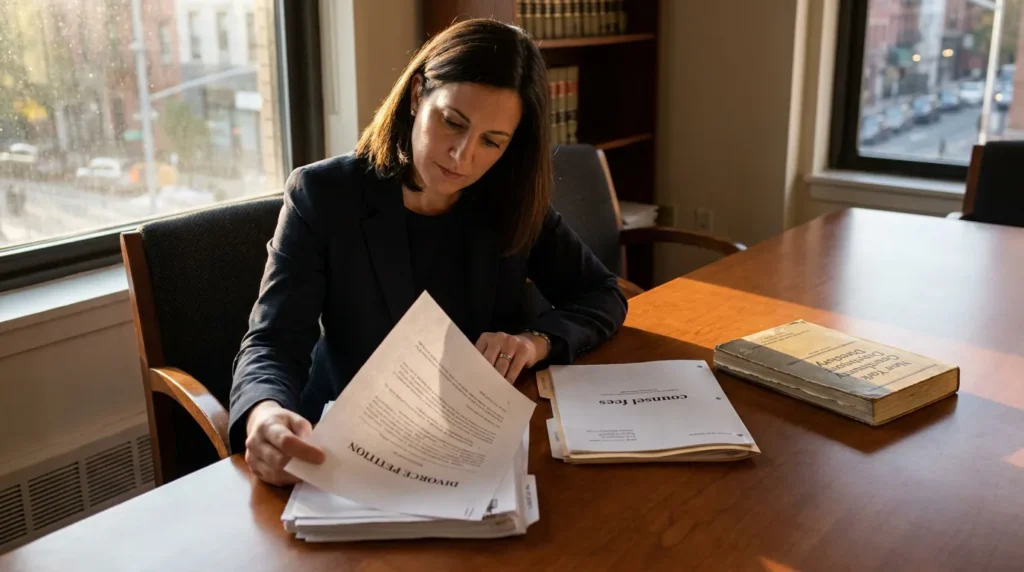
Paying for a Divorce When Your Spouse Controls the Money Key Takeaways: New York Domestic Relations Law § 237 allows matrimonial courts to order the financially stronger spouse to pay counsel fees and expert fees directly to the other spouse’s attorney in divorce, annulment, and separation actions. The statute creates a rebuttable presumption favoring the […]
What Is DRL 234 Exclusive Occupancy of the Marital Home in New York?

Who Gets to Stay in the House During a New York Divorce? Key Takeaways: DRL § 234 lets a New York matrimonial court decide title and possession of the marital residence, including awarding one spouse exclusive use while excluding the other. Relief is sought by motion within a Supreme Court divorce action, often granted pendente […]
Who Must File a Statement of Net Worth in a New York Contested Divorce?

Understanding Financial Disclosure in a New York Divorce Key Takeaways: In a contested New York divorce where alimony, maintenance, or support is at issue, both spouses must file a sworn Statement of Net Worth, with no showing of special circumstances required. This comprehensive form details net worth, income, assets, liabilities, expenses, and assets transferred over […]
What Makes an Inheritance Vulnerable to Division in a Brooklyn Divorce?

Understanding How New York Treats Inherited Assets in a Divorce Key Takeaways: In New York, an inheritance is generally classified as separate property that stays with the recipient, but this protection is neither automatic nor permanent. An inheritance becomes vulnerable to division when commingled with marital assets, depositing it into a joint account, using it […]
Can a Postnuptial Agreement Shield an Inheritance in a Brooklyn Divorce?
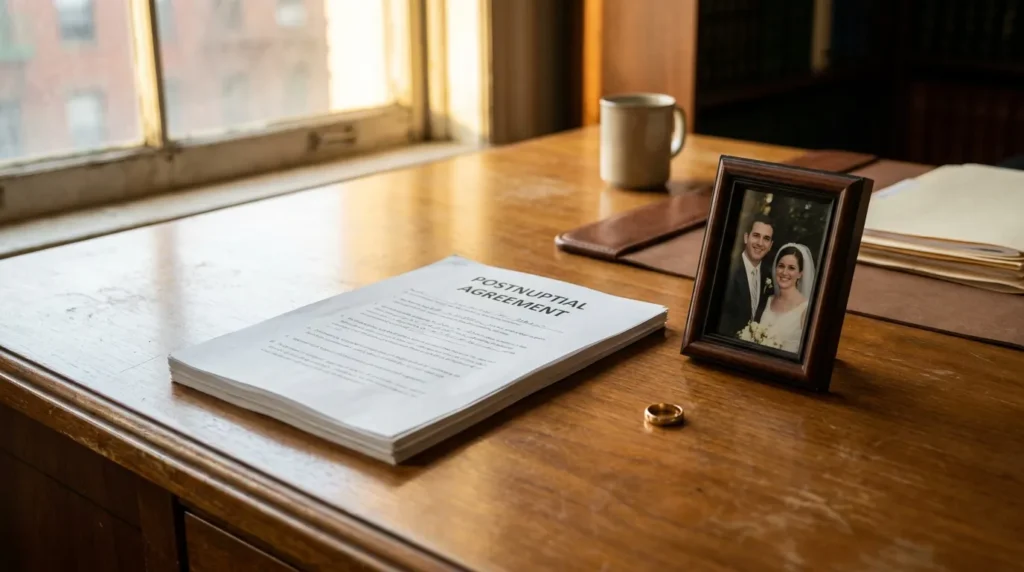
Understanding How New York Treats an Inheritance When a Marriage Ends Key Takeaways: A postnuptial agreement can help shield an inheritance in a Brooklyn divorce, but it does not work automatically. In New York, an inheritance received during marriage is generally classified as separate property under DRL § 236(B), and a properly drafted postnup reinforces […]
What Is a Contested Divorce Under New York Law?

Understanding Disputed Divorces in the Empire State Key Takeaways: A contested divorce in New York occurs when spouses cannot agree on essential issues like property, support, or parenting, requiring a Supreme Court judge to decide. Unlike an uncontested case requiring full agreement, a contested case demands detailed sworn financial disclosure and often multiple court appearances. […]
Can Commingling Turn an Inheritance Into Marital Property in New York?
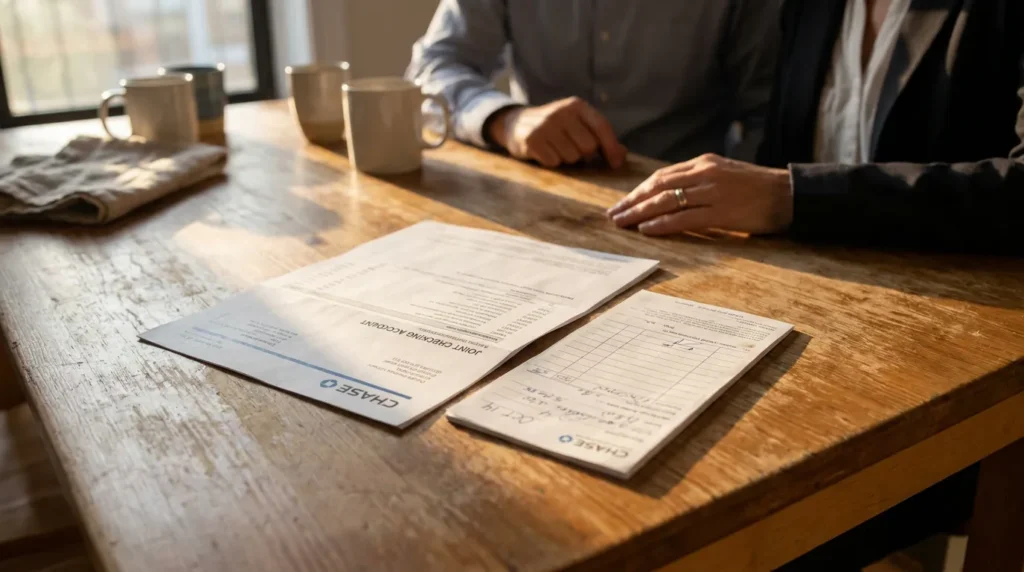
Understanding How a New York Inheritance Can Lose Its Protected Status Key Takeaways: Yes, commingling can transform an inheritance into marital property in New York. While inheritances begin as protected separate property, property acquired during marriage is presumed marital, placing the burden on the inheriting spouse to prove separate character. Depositing inherited funds into joint […]
Is Inheritance Marital Property in a New York Divorce?
Understanding How New York Classifies Inheritance in Divorce Key Takeaways: In most New York divorces, inheritance is treated as separate property and not divided between spouses under equitable distribution. However, this protection isn’t automatic, inheritance can lose its status through commingling with marital funds or when value increases due to a spouse’s efforts. To preserve […]
How to Prepare for a Divorce Filing in Brooklyn, New York

Getting Ready to File for Divorce in Brooklyn: A Practical Guide Filing for divorce is one of the most significant legal decisions you may face. If you live in Brooklyn and are considering ending your marriage, you likely have questions about residency rules, legal grounds, property division, and where to file your paperwork. New York […]