Understanding Filing Deadlines for Nursing Home Neglect Cases in New York
Key Takeaways: In New York, nursing home neglect claims must be filed within specific deadlines that vary based on the legal theory, who files the claim, and whether the facility is publicly or privately operated. Civil statutes of limitations typically range from one to ten years, while government facilities require a Notice of Claim within a much shorter window of about one year and 90 days. A single incident may support multiple claims, statutory, negligence, and wrongful death, each with its own deadline. Reporting to the Department of Health triggers an investigation but doesn’t pause the lawsuit deadline and has a separate one-year intake limit. Public Health Law § 2801-d protects the right to sue, but missing the deadline can permanently bar recovery. Acting early preserves evidence and keeps all options open.
Most nursing home neglect claims in New York must be filed within a defined window, and missing that window can permanently bar recovery. The exact deadline depends on the legal theory pursued, who brings the claim, and whether the facility is privately or publicly operated. Acting promptly preserves evidence, protects witness memory, and keeps every option available.
If you suspect a loved one has been harmed, the team at Goldberg Sager & Associates is ready to help. Call us at 718-645-6677 or reach out through our confidential contact form to discuss your situation.
💡 Pro Tip: Document dates of any incident, hospitalization, or condition change immediately. A clear timeline helps confirm which deadline applies.
The Statutory Backbone of a New York Neglect Claim
New York Public Health Law § 2801-d creates a specific private right of action allowing residents to sue facilities directly for harm caused by loss of a protected right or benefit. Under PBH § 2801-d(1), any residential health care facility that deprives a patient of any right or benefit shall be liable for injuries suffered as a result. Review the full text of the Public Health Law § 2801-d statute for precise statutory language.
This statutory remedy is generally separate from and cumulative with other claims. Under PBH § 2801-d(4), remedies are in addition to other available remedies, including tort causes of action. This distinction matters for timing because each claim type carries its own filing deadline. A single set of facts may support multiple theories with different clocks running.
Importantly, facilities cannot contract out of liability. Under PBH § 2801-d(7), any waiver of the right to commence an action, oral or written, shall be null and void. Admission agreements signed at intake generally cannot eliminate a family’s ability to file.
How New York Measures the Time Limit
In New York, civil statutes of limitations generally range from one to ten years depending on the claim. According to the New York court system, in civil cases, statutes of limitations usually range between one and ten years, sometimes counted from the event date and other times from discovery of the condition. Review the state’s official statute of limitations timetable for a case-by-case breakdown. Because neglect cases can blend negligence, statutory, and wrongful death theories, the controlling period is fact-dependent.
Discovery framing can matter in limited circumstances but should not be assumed to apply automatically. New York does not recognize a general discovery rule for most personal injury claims, and courts interpret specific discovery and tolling exceptions narrowly. Families should treat the earliest plausible deadline as the operative one.
💡 Pro Tip: Do not wait for an investigation to conclude before exploring a civil claim. Administrative reviews and lawsuits run on separate tracks.
Shorter Deadlines for Publicly Operated Facilities
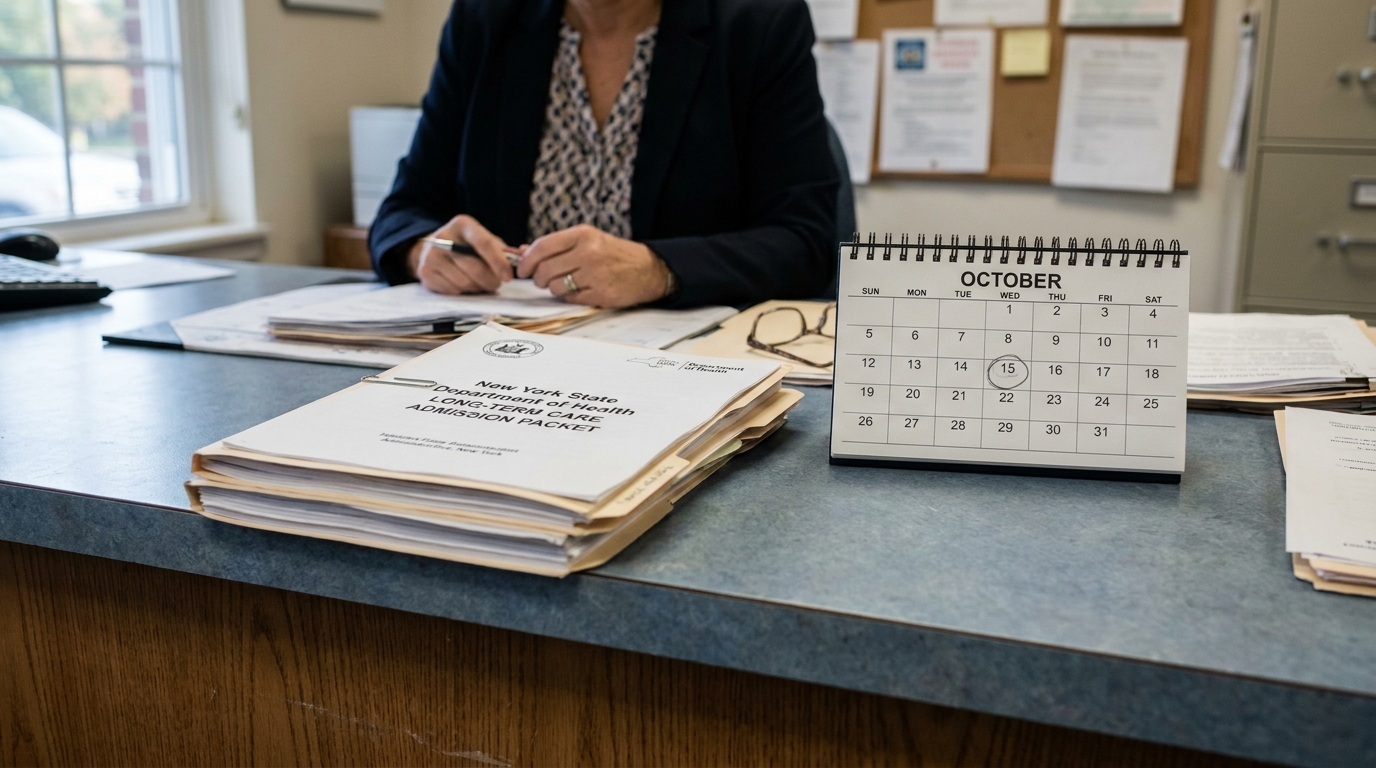
When a nursing home is government-operated, a much shorter combined deadline often applies. New York generally requires a formal Notice of Claim, typically within 90 days of the incident, before suing a public entity. As the court system explains, you should not wait more than a year and 90 days to file your case or you will be time barred. This compressed window is one of the most common reasons valid claims are lost.
Determining whether a facility is public or private is a threshold question that changes the entire timeline. Confirming ownership early helps avoid costly assumptions. When ownership is unclear, plan around the shortest potential deadline.
Administrative Complaints Versus Civil Lawsuits
The administrative complaint process is distinct from filing a civil lawsuit. The State Department of Health investigates complaints about resident abuse, neglect, and mistreatment. Filing an agency complaint can prompt an investigation but is not the same as commencing a court action seeking compensation.
The administrative route carries its own strict intake window. Complaints will only be accepted by the New York Department of Health if the occurrence is within the past year of submission. This one-year administrative cutoff is separate from any deadline to file a lawsuit in court.
Residents enter facilities with enforceable protections that anchor a claim. The Department of Health publishes resident rights confirming residents have the right to be free from neglect, which you can review in the official guidance on a nursing home resident’s rights framework. These protections give substance to a claim, while the statute of limitations governs how long you have to assert it.
| Deadline Type | General Time Frame | Purpose |
|---|---|---|
| Civil statute of limitations | Typically one to ten years, fact-dependent | Filing a lawsuit for compensation |
| Public entity Notice of Claim | Generally one year and 90 days | Suing a government-operated facility |
| DOH complaint intake | Within one year of the occurrence | Triggering an administrative investigation |
Why Timing Drives Strategy for Nursing Home Neglect Lawyers New York Families Trust
Acting early gives experienced nursing home neglect lawyers New York families rely on the runway to investigate thoroughly before evidence fades. Prompt action allows preservation of medical charts, staffing records, incident reports, and witness accounts. Building a strong record is often the difference between a documented claim and a contested one.
A claim may be brought by someone other than the resident, which affects who controls the deadline. Under PBH § 2801-d(4-a), an action may be brought by the patient’s legal representative or estate. This is significant when a resident has passed away, because the identity and timing of who files can shape the applicable deadline.
Families weighing their options often benefit from understanding the full scope of recovering damages for nursing home negligence before deadlines narrow. Reviewing the firm’s personal injury practice areas can help families see how these claims connect.
💡 Pro Tip: If your loved one was hospitalized after a neglect incident, request complete medical records immediately. These records frequently contain dates and clinical findings that determine which deadline controls your claim.
Common Challenges Families Face With Deadlines
Several recurring obstacles cause families to misjudge their filing window. The following issues come up frequently:
- Assuming a single deadline applies when multiple theories carry different clocks
- Treating a Department of Health complaint as a substitute for a civil lawsuit
- Overlooking the shorter public-entity deadline when a facility is government-run
- Believing a discovery rule automatically extends the deadline
- Waiting for an estate to be formally established before exploring options
Each challenge is manageable with timely guidance and careful fact analysis. A claim alleging violations of the Public Health Law may also seek punitive damages, as occurred in litigation alleging violations of Public Health Law §§ 2801-d and 2803-c. Punitive damages are not awarded in every case and generally require proof of conduct beyond ordinary negligence.
Frequently Asked Questions
1. How long do I generally have to file a nursing home neglect claim in New York?
The answer depends on the legal theory and facility ownership. Civil deadlines generally range from one to ten years and are fact-dependent, while government-operated facilities may impose a shorter window. Confirming the applicable period early is essential.
2. Is reporting to the Department of Health the same as filing a lawsuit?
No, these are separate processes. An agency complaint can trigger an investigation but does not commence a court action or pause the civil statute of limitations. The administrative intake window also has its own one-year limit.
3. Can a nursing home make my family waive the right to sue?
Generally, no. Under PBH § 2801-d(7), any waiver of the right to commence such an action is null and void. Admission contracts ordinarily cannot eliminate this right.
4. Who can file a claim if my loved one has passed away?
A claim may be brought by the patient’s legal representative or estate. Under PBH § 2801-d(4-a), authority to act can rest with the estate, which can affect both timing and strategy.
5. Does a discovery rule automatically extend my deadline?
Not automatically. Courts generally interpret discovery rules and tolling provisions narrowly. It is safer to plan around the earliest plausible deadline.
Protecting Your Family’s Right to Be Heard
Filing deadlines in nursing home neglect cases are unforgiving, and the controlling period turns on your specific facts. Between civil statutes of limitations, the shorter public-entity Notice of Claim rule, and the separate Department of Health complaint window, families face several overlapping clocks. Statutory protections under the Public Health Law give a neglect claim substance, but those protections mean little if the deadline passes. Acting early preserves evidence, clarifies who may file, and keeps every option open.
If you believe a loved one suffered harm, do not let the time limit decide the outcome. Contact Goldberg Sager & Associates by calling 718-645-6677 or by submitting a request through our secure case review form so we can help you understand the deadlines that apply to your family’s circumstances.