Understanding Your Rights When You Are Hurt on Someone Else’s Property
Key Takeaways: Premises liability under New York law holds property owners accountable when unsafe conditions cause harm. Owners must maintain reasonably safe property, even with property managers. To recover compensation, injured persons must prove duty, breach, causation, and damages, often hinging on whether the owner had notice of the hazard. New York’s pure comparative negligence rule allows partially at-fault victims to recover reduced damages. Strict filing deadlines apply, so acting quickly is essential.
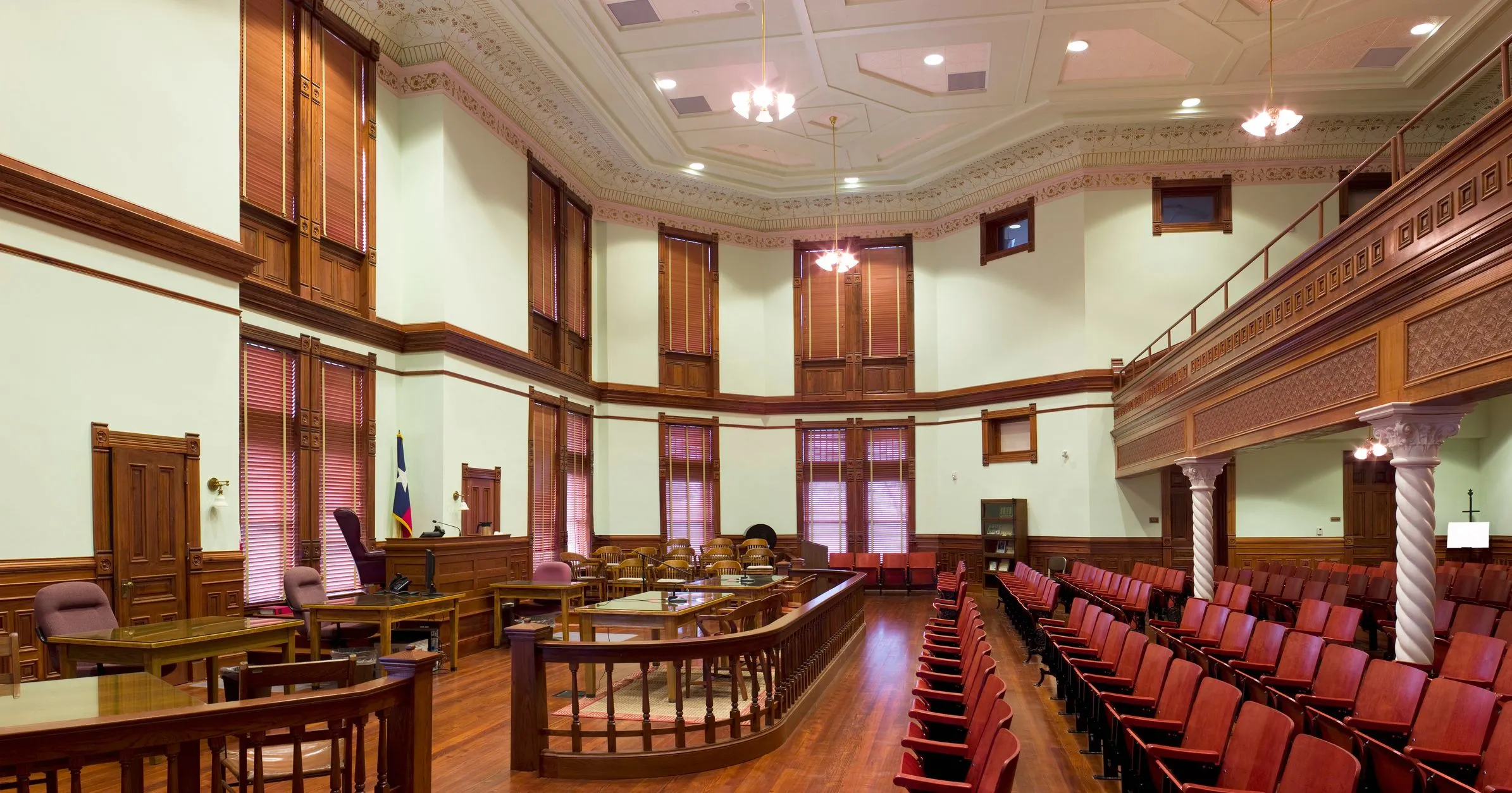
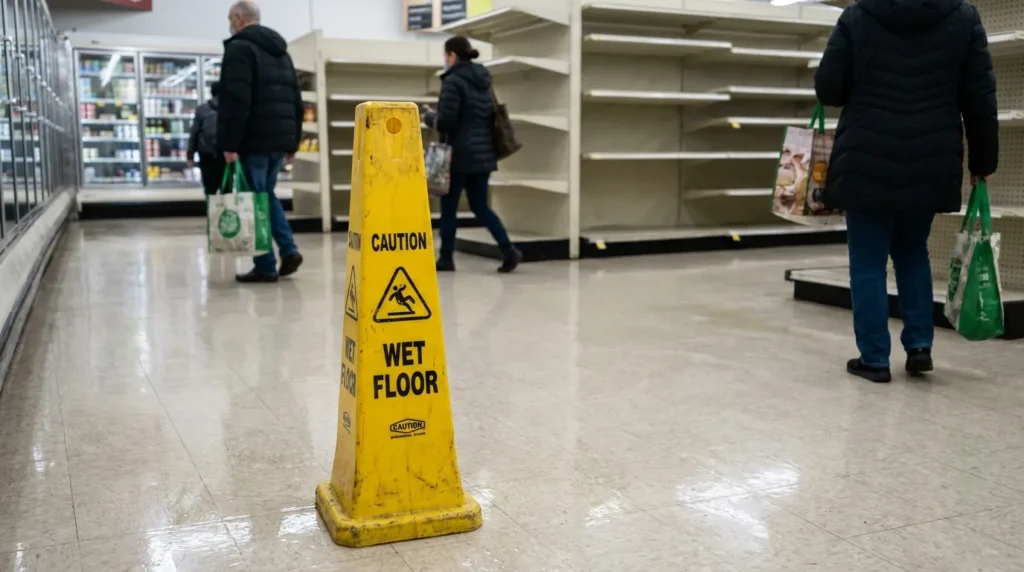
Premises liability is the personal injury law area that holds property owners accountable when unsafe conditions cause harm. It is grounded in negligence, meaning a person or business may be held responsible when they fail to meet a legal duty to keep property reasonably safe and that failure directly causes injury. In New York, this principle protects shoppers, tenants, guests, and the public hurt by hazards a reasonable owner should have addressed.
If you were injured because someone failed to maintain safe premises, Goldberg Sager & Associates is ready to listen. Call us at 718-645-6677 or request a confidential case review to discuss your options.
The Legal Foundation of Premises Liability Law in New York
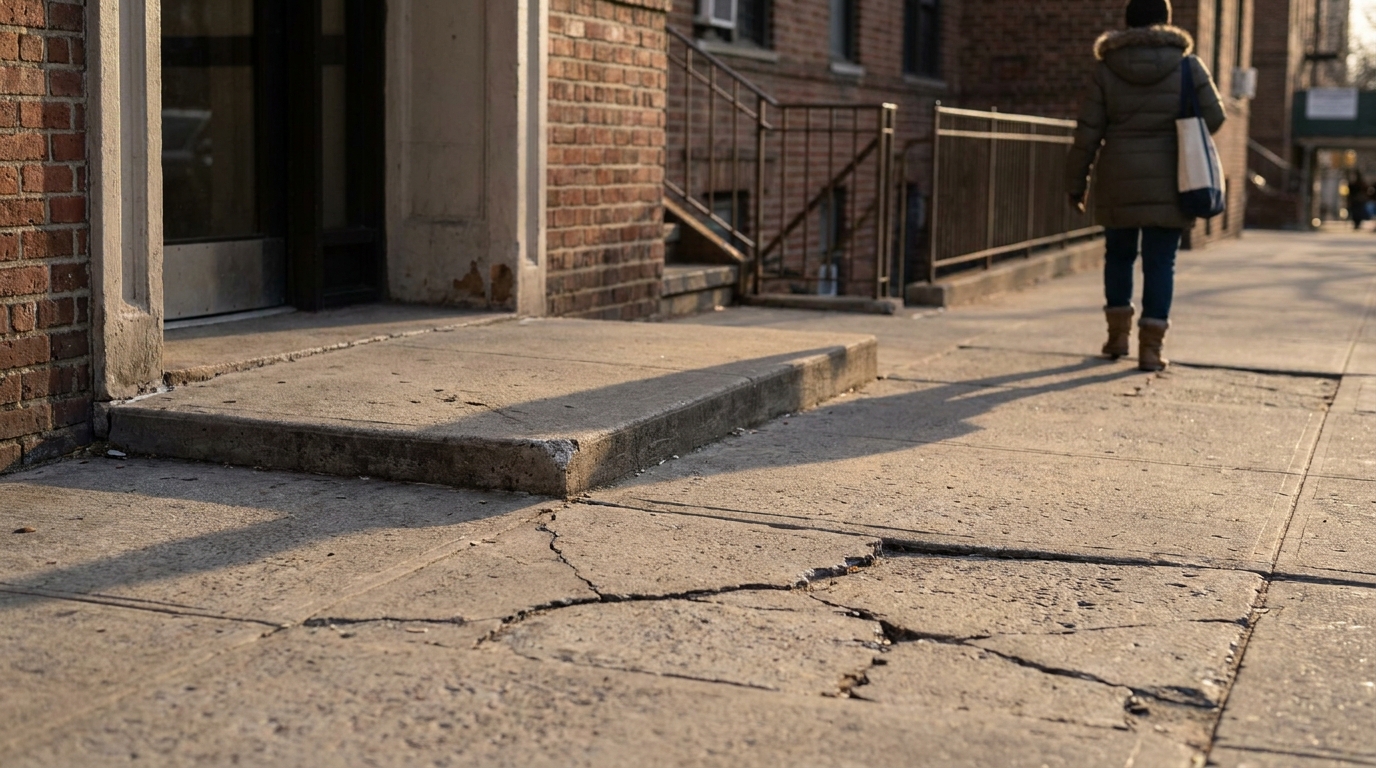
New York premises liability rests on the principle that property owners owe an affirmative duty to keep property reasonably safe. This duty is grounded in common law negligence. In Basso v. Miller, 40 N.Y.2d 233 (1976), the Court of Appeals adopted a single standard of reasonable care under the circumstances, with foreseeability of the injured person’s presence as a primary factor. State statutes treat conditions "dangerous to life, health or safety" as a recognized basis for special proceedings under RPAPL § 770(1).
Transferring property management does not erase an owner’s responsibility. Under RPAPL § 778(6), appointing a court-designated administrator "shall not relieve an owner of liability for injury to persons and property." The owner remains accountable even when an outside party handles daily operations.
Specific rules limit municipal liability in certain situations. Under RPAPL § 778(7), cities and counties designated under RPAPL § 769 are generally shielded from liability for conditions on premises managed by a court-appointed administrator, with a notable exception for New York City. Consult a slip and fall lawyer New York residents rely on before assuming who can be held responsible.
💡 Pro Tip: Take dated photographs of the hazard and surrounding area as soon as safe. Conditions like ice, spills, or debris can be cleaned quickly, and early documentation can be difficult to dispute later.
The Four Elements a Premises Liability Claim New York Victims Must Prove
To recover compensation, an injured person must establish four connected elements. Courts examine these factors closely, and outcomes depend heavily on specific facts.
- Duty: The property owner or possessor owed you a legal duty of care.
- Breach: The owner breached that duty by failing to act as a reasonably careful owner would.
- Causation: That breach directly caused your injury rather than some unrelated event.
- Damages: You suffered actual harm, such as medical expenses, lost income, or pain and suffering.
Proving breach often turns on the concept of notice. A plaintiff must typically show the owner had either actual notice (they knew about the hazard) or constructive notice (the hazard was visible and existed long enough that a reasonably careful owner should have discovered it). Notice is generally not required where the owner or its employees created the dangerous condition. Establishing notice requires witness statements, maintenance records, and sometimes reconstruction or medical support, which is why thorough documentation matters.
💡 Pro Tip: Report the incident to the property owner or manager in writing and request a copy of any incident report. A written record created near the time of the event can become valuable evidence of notice.
Who the Law Protects: Visitor Status and the Duty of Care
Traditional premises liability divided visitors into categories that influenced the level of care an owner had to provide. New York largely abandoned this framework in Basso v. Miller in favor of a single standard of reasonable care for all lawful entrants, so these categories now mainly illustrate the kinds of duties involved.
| Visitor Category | Typical Example | General Duty Owed |
|---|---|---|
| Invitee | Store customer or member of the public | Inspect for dangers, make prompt repairs, and warn of hazards |
| Licensee | Social guest | Warn of known dangers not obvious to the visitor |
| Trespasser | Uninvited entrant | Limited duty, with exceptions in certain situations |
Under the older framework, invitees received the highest level of protection. Although New York now applies a single reasonableness standard, the likelihood of your lawful presence remains a central factor, so being a customer or business visitor can significantly strengthen your position.
How Property Owner Negligence New York Cases Typically Unfold
Most premises liability matters begin with an investigation rather than a lawsuit. After an injury, the property owner’s insurer usually investigates the incident and may try to resolve it through negotiation. You can read more about general principles through this overview of premises liability law.
Most claims are paid through insurance policies. Homeowners, renters, and commercial general liability policies typically cover injuries that occur on a property, up to the policy’s limits. When you file a claim, you will likely deal with the property owner’s insurance company, which is why having guidance during negotiations matters.
Common Defenses and New York’s Comparative Negligence Rule
Property owners and their insurers frequently raise defenses designed to reduce or eliminate liability. Common arguments include comparative fault, the open-and-obvious doctrine, assumption of risk, and statute of limitations expiration. Anticipating these defenses early allows your claim to be built with the right evidence.
New York follows a pure comparative negligence rule, which is favorable to injured plaintiffs. Under CPLR § 1411, a claimant’s own fault "shall not bar recovery," but damages "shall be diminished in the proportion" that the claimant’s culpable conduct bears to the total conduct that caused harm. These principles are organized within New York’s statutory framework on the effect of contributory negligence, found in CPLR Article 14-A. This means even a visitor who was largely at fault may still recover an award reduced by their share of responsibility.
💡 Pro Tip: Avoid giving a recorded statement to an insurance adjuster before speaking with a lawyer. Casual comments about how an accident happened can later be used to argue that you share a larger portion of fault.
Deadlines That Can Make or Break Your New York Injury Claim
Time limits are among the most important and unforgiving aspects of any premises liability claim. Premises liability actions in New York are governed by limitation periods set out in the Civil Practice Law and Rules. CPLR Article 2, titled "Limitations of Time," contains specific provisions in sections 201 through 218 that determine filing deadlines.
Personal injury deadlines generally range between one and three years. Most premises liability claims based on negligence carry a three-year deadline under CPLR § 214(5), while certain intentional torts such as assault or battery have a one-year deadline under CPLR § 215. Claims against government entities often require a much shorter notice filing, typically within 90 days, before a lawsuit may proceed.
Settlement Versus Trial in a New York Personal Injury Law Matter
New York law expressly preserves the right of parties to settle their claims. Under CPLR § 5047, nothing in this article shall be construed to limit the right of a plaintiff, defendant or defendants, or any insurer to settle property damage, personal injury, or wrongful death claims as they consider appropriate and in their complete discretion. Many premises cases resolve through negotiation rather than trial, though preparing as if a case may go to trial often supports stronger settlement outcomes.
How a Premises Liability Attorney New York Residents Trust Can Help
A premises liability attorney New York injury victims rely on can manage the investigation, deadlines, and negotiations while you focus on recovery. Skilled counsel works to preserve evidence, establish notice, and counter the defenses insurers commonly raise. For broader guidance on related claims, explore resources from a personal injury attorney New York team that handles these matters across the five boroughs and beyond.
Strong representation also means accurate documentation of your damages. This includes medical records, proof of lost income, and supporting opinions from treating physicians. Working with a premises liability attorney New York claimants trust helps ensure no element of your claim is overlooked.
💡 Pro Tip: Keep a simple journal of your symptoms, treatment appointments, and how the injury affects daily life. Contemporaneous notes can strengthen the connection between the hazardous condition and your damages.
Frequently Asked Questions
-
What should I do immediately after being injured on someone’s property?
Seek medical care first, then document the scene if able. Photograph the hazard, gather witness contact information, and report the incident in writing. Prompt medical treatment helps connect your injuries to the unsafe condition.
-
How long do I have to file a premises liability claim in New York?
Deadlines vary and are governed by limitation periods in CPLR Article 2. Most negligence-based premises claims must be filed within three years under CPLR § 214(5), but claims involving government entities may require notice within 90 days. Courts apply these limits strictly.
-
Can I still recover if I was partly at fault for my accident?
Often, yes. Under New York’s pure comparative negligence rule in CPLR § 1411, your own fault does not bar recovery, though damages are reduced in proportion to your share of responsibility.
-
Who pays for a premises liability claim?
In most cases, an insurance policy covers the damages. Homeowners, renters, and commercial general liability policies typically respond to these claims up to their limits.
-
Does an owner avoid liability by hiring a property manager?
Generally, no. Under RPAPL § 778(6), appointing an administrator to manage a property does not relieve an owner of liability for injuries, though municipal liability follows separate rules under RPAPL § 778(7).
Protecting Your Recovery After an Injury on Unsafe Property
Premises liability under New York law gives injured people a path to hold negligent owners accountable, but success depends on facts, evidence, and strict deadlines. From proving duty, breach, causation, and damages to navigating comparative negligence and notice requirements, these cases reward early action and careful preparation. Understanding your rights puts you in a stronger position to pursue full compensation.
If you or a loved one was injured on unsafe property, Goldberg Sager & Associates is ready to help. Call us today at 718-645-6677 or reach out through our contact page to schedule a confidential consultation. The sooner you act, the better positioned you are to protect both your evidence and your claim.