A Family’s Guide to Recognizing and Responding to Nursing Home Neglect
Key Takeaways: Under New York Social Services Law § 488(1)(h), nursing home neglect occurs when a facility or caregiver breaches its duty to provide care, supervision, and necessities, and that breach results in or is likely to result in physical injury or serious or protracted impairment of the physical, mental or emotional condition of a service recipient. The law recognizes active (willful) neglect, passive (non-willful) neglect, and significant incidents like improper restraints or medication errors. Chronic understaffing is a legally acknowledged risk factor, and many professionals are mandated reporters required to promptly report suspected neglect. Civil claims require proving duty, breach, causation, and damages, with New York’s discovery rules helping reveal available insurance coverage.
When you place a loved one in a nursing facility, you trust that trained staff will meet their daily needs, yet New York law recognizes that this trust is sometimes broken. Nursing home neglect occurs when a facility or its caregivers fail to provide the care, supervision, and basic necessities residents depend on, resulting in harm or serious risk of harm. Under New York Social Services Law § 488(1)(h), neglect is legally defined as any action, inaction, or lack of attention that breaches a custodian’s duty and that results in or is likely to result in physical injury or serious or protracted impairment of the physical, mental or emotional condition of a service recipient.
If you believe a loved one has been harmed in a care facility, the team at Goldberg Sager & Associates is ready to listen. You can call our office at 718-645-6677 or reach out through our contact page to discuss your concerns. Acting early helps protect both your family member and any potential claim.
Understanding Neglect Under New York’s Vulnerable Persons Framework
New York treats nursing home residents as vulnerable persons who are owed a heightened duty of protection. The statutory definition focuses on a custodian’s breach of duty rather than intent, meaning a facility can be responsible even when no one set out to cause harm. Failure to provide adequate food, clothing, shelter, or medical, dental, optometric, or surgical care consistent with applicable regulations also constitutes neglect. Note that Social Services Law § 488 principally applies to facilities operated, licensed, or certified by agencies such as the Office of Mental Health, while care standards for Department of Health-licensed nursing homes also arise under the Public Health Law and federal Nursing Home Reform Act.
The law also makes supervision a central obligation, not an optional courtesy. The statute specifically identifies failure to provide proper supervision as neglect, particularly where residents depend entirely on staff oversight for safety. You can read the full statutory language in Social Services Law Section 488. New York State estimates that 300,000 older New Yorkers are victimized annually.
💡 Pro Tip: Keep a dated log of unexplained injuries, weight changes, bedsores, or missed medications. Contemporaneous notes become valuable evidence.
How New York Defines Different Categories of Neglect
New York law recognizes distinct categories of neglect, and the distinctions matter for both regulators and courts. Recognizing which category fits your situation helps families and counsel frame the problem accurately.
Active Neglect
Active neglect involves a willful failure to provide care. New York law defines active neglect as the willful failure by a caregiver to fulfill care-taking functions, including abandonment, willful deprivation of food, water, heat, clean clothing and bedding, eyeglasses or dentures, or health related services.
Passive Neglect
Passive neglect is non-willful but still harmful. It means the non-willful failure of a caregiver to fulfill care-taking responsibilities, often due to inadequate knowledge, infirmity, or disagreement over prescribed services. Understaffed or poorly trained facilities frequently fall into this category.
Significant Incidents
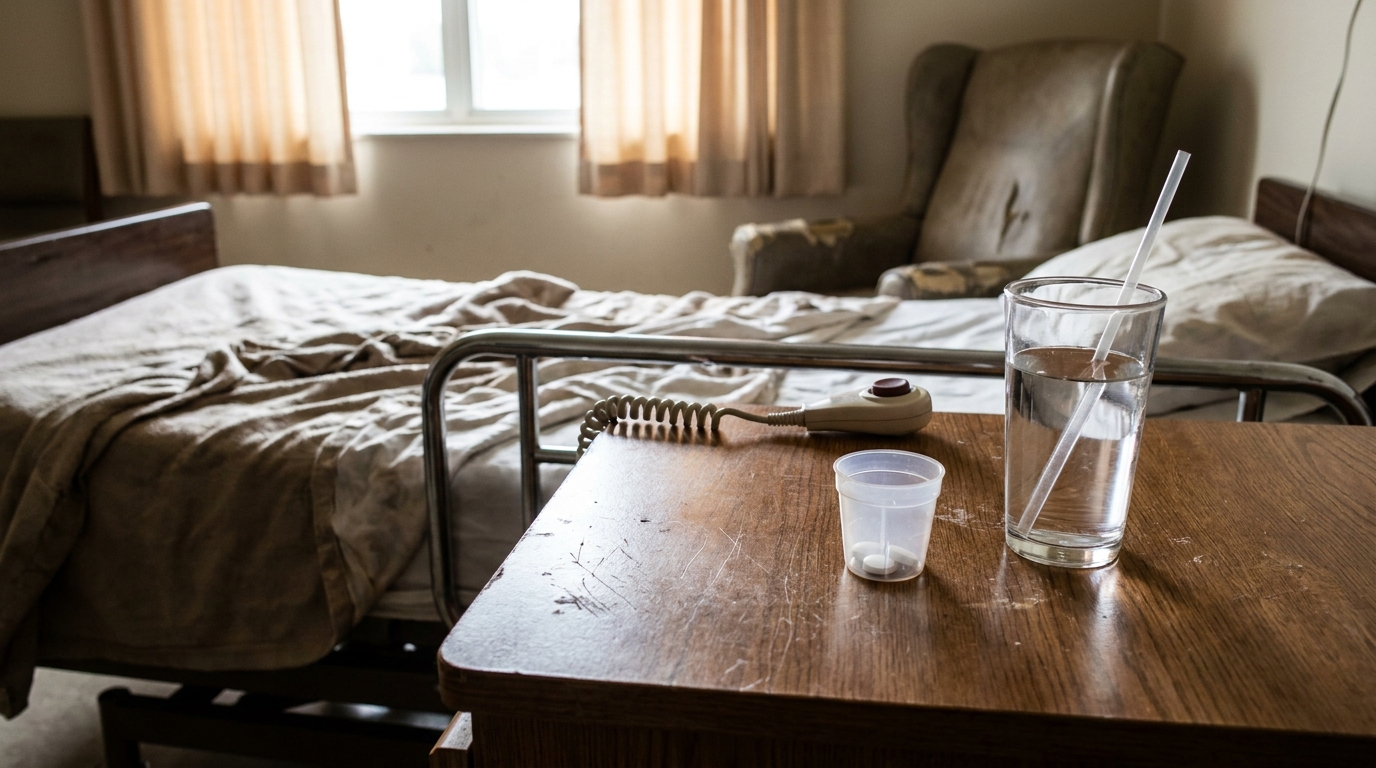
Some harmful events are classified separately as significant incidents. Under Social Services Law § 488, these include inappropriate use of restraints, unauthorized seclusion, and administration of medication inconsistent with a practitioner’s order that has an adverse effect on the resident.
Neglect under the vulnerable persons law generally extends to several recognized failures, including:
-
Failure to provide proper supervision, including supervision that prevents resident-on-resident harm
-
Failure to provide adequate food, clothing, shelter, or medical, dental, optometric, or surgical care
-
Failure to maintain a safe environment consistent with applicable regulations
To explore practical warning signs in more detail, see this overview of common forms of nursing home neglect in New York facilities.
Why Understaffing Fuels Nursing Home Neglect Lawyers New York Cases
Chronic understaffing is one of the most common conditions behind neglect, and New York lawmakers have acknowledged this directly. New York Public Health Law § 2890 declares that the recruitment, training, availability, and proper performance of nursing service personnel are matters of vital public concern, recognizing that shortages and improper utilization of nursing staff result in neglect of sick, disabled, and infirm persons. You can review the text of Public Health Law Section 2890.
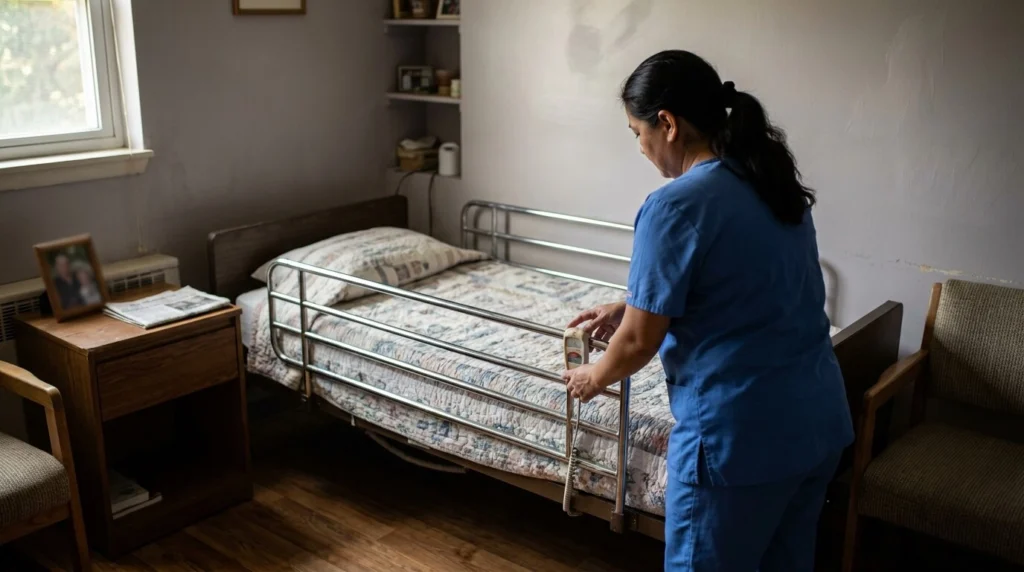
For families, understaffing often shows up as small failures that accumulate into serious harm. Missed repositioning leads to pressure ulcers, skipped hydration rounds lead to dehydration, and delayed responses to call bells lead to falls. Nursing home neglect lawyers New York families turn to will often examine staffing ratios, scheduling records, and incident reports to determine whether thin coverage contributed to injuries.
💡 Pro Tip: Request copies of your loved one’s care plan and ask how it is monitored. A care plan that exists on paper but is not followed reveals gaps in supervision.
Mandatory Reporting and How Neglect Comes to Light
New York imposes reporting duties on many professionals closest to nursing home residents. Operators and employees of residential health care facilities, nursing home administrators, physicians, registered professional nurses, and licensed practical nurses are among the mandated reporters required to report suspected abuse, mistreatment, or neglect to the New York Department of Health.
The timing of these reports is strict. For people in residential health care facilities, a mandated reporter must immediately report by telephone, followed by a written report within 48 hours to the Department of Health.
💡 Pro Tip: Filing a complaint with the Department of Health and consulting counsel are not mutually exclusive. Many families do both.
Building a Nursing Home Injury Claim in New York
A civil claim for nursing home neglect generally follows a negligence framework of duty, breach, causation, and damages. The facility owes a duty of reasonable care, the resident must show that duty was breached, that the breach caused harm, and that measurable damages resulted. New York Public Health Law § 2801-d provides nursing home residents with a private right of action when they are deprived of rights or benefits established by law or regulation.
New York’s discovery rules give injured residents tools to assess available compensation. Under Civil Practice Law and Rules § 3101(f), no later than ninety days after service of an answer, a defendant must provide proof of the existence and contents of any insurance agreement under which a person or entity may be liable to satisfy part or all of a judgment. The statutory text appears in CPLR Section 3101. This includes primary, excess, and umbrella coverage, helping families understand the scope of potential recovery.
Insurance transparency continues throughout litigation. Defendants must make reasonable efforts to keep insurance information accurate and provide updates at the filing of the note of issue, when entering into any formal settlement negotiations conducted or supervised by the court, at voluntary mediation, when the case is called for trial, and for sixty days after any settlement or entry of final judgment.
💡 Pro Tip: Preserve everything. Photographs, billing statements, discharge summaries, and the names of staff on duty can all become important as a claim develops.
The table below summarizes several of the New York authorities discussed in this article.
| Authority | What It Addresses |
|---|---|
| Social Services Law § 488(1)(h) | Statutory definition of neglect |
| Social Services Law § 488 | Significant incidents such as restraints and medication errors |
| Public Health Law § 2890 | Staffing shortages as a risk to resident health |
| Public Health Law § 230(10)(j) | Enforcing time limits in disciplinary proceedings |
| CPLR § 3101(f) | Disclosure of insurance coverage in litigation |
Regulatory proceedings against facilities or staff carry their own enforceable timelines. New York Public Health Law § 230(10)(j) provides that failure to comply with a provision requiring a specified action within a specified period can be grounds for an Article 78 proceeding seeking a stay of the hearing, dismissal of charges, or other appropriate relief.
Frequently Asked Questions
-
What is nursing home neglect under New York law?
Nursing home neglect is a breach of a caregiver’s duty that harms a resident. New York Social Services Law § 488(1)(h) defines neglect as any action, inaction, or lack of attention that breaches a custodian’s duty and that results in or is likely to result in physical injury or serious or protracted impairment of the physical, mental or emotional condition of a service recipient. The focus is on breach and resulting harm, not intent.
-
What is the difference between active and passive neglect?
The difference turns on willfulness. Active neglect involves willful failure to provide care, such as deliberate deprivation of food, water, or health-related services. Passive neglect is non-willful failure to fulfill care-taking responsibilities, often caused by inadequate knowledge, infirmity, or disagreement over prescribed services.
-
Does understaffing count as neglect in New York?
Understaffing can be a significant contributing factor. Public Health Law § 2890 recognizes that shortages and improper utilization of nursing staff result in neglect. Whether understaffing supports a claim depends on how it affected the resident’s actual care.
-
Who must report suspected nursing home neglect?
Many professionals are mandated reporters. Operators and employees of residential health care facilities, nursing home administrators, physicians, registered professional nurses, and licensed practical nurses must report suspected abuse, mistreatment, or neglect to the Department of Health.
-
How soon must neglect in a care facility be reported?
Reporting deadlines are short. For people in residential health care facilities, a mandated reporter must immediately report by telephone, followed by a written report within 48 hours to the Department of Health.
Protecting Your Loved One and Your Family’s Rights
Recognizing nursing home neglect is the first step toward holding a facility accountable and protecting other residents from similar harm. New York’s statutes define neglect broadly, impose reporting duties on caregivers, and give injured residents tools to assess insurance coverage and pursue compensation. If you would like to learn more about how these claims fit within broader personal injury nursing home NY representation, our team is available to explain your options.
If you suspect that a loved one has suffered neglect in a New York facility, the attorneys at Goldberg Sager & Associates are ready to help you understand your rights. Call us today at 718-645-6677 or send us a message through our contact page to schedule a confidential conversation about your family’s situation.