When a Property Owner "Should Have Known" About the Hazard That Hurt You
Key Takeaways: Constructive notice in New York slip and fall cases means a hazard was visible and existed long enough that a reasonably careful owner could have discovered and remedied it. This standard comes from case law, not statute, and supplies the breach element when actual knowledge cannot be proven. Courts weigh factors like duration, visibility, recurrence, and inspection routines. Evidence such as surveillance video, inspection logs, prior complaints, and photographs can be significant but may disappear quickly. Notice is one element of a negligence claim requiring duty, breach, causation, and damages. New York’s pure comparative fault rule under CPLR 1411 reduces rather than bars recovery. Deadlines: generally three years under CPLR 214(5), 90 days notice-of-claim for municipal defendants under General Municipal Law 50-e, separate Court of Claims Act rules for the State, and two years for wrongful death under EPTL 5-4.1.
If you slipped on a puddle in a Brooklyn supermarket or tripped over broken pavement, one of the first questions is whether the property owner knew or should have known about the danger. Constructive notice fills the gap when actual knowledge cannot be proven. In plain terms: a hazard was visible and existed long enough that a reasonably careful owner could have discovered and remedied it. New York case law, not statute, supplies this standard, and it can determine whether a claim survives summary judgment.
If you were injured and are unsure whether the owner had notice, Goldberg Sager & Associates can review what happened. Call 718-645-6677 or contact us now to discuss your options with a Brooklyn slip and fall lawyer.
Why Notice Sits at the Center of Every Slip and Fall Claim
A slip and fall case is generally an ordinary negligence claim, and notice goes directly to the breach element. Negligence is the failure to behave with reasonable care, and an omission may be negligent only where a duty existed. A property owner is not automatically responsible every time someone falls.
The negligence framework in New York generally requires four elements: duty, breach, causation, and damages. Notice, whether actual or constructive, transforms the mere presence of a hazard into a breach of duty. Without proof, an owner may argue the danger appeared moments before the fall and no reasonable inspection would have caught it.
Duty arises from the relationship between parties and foreseeability of harm. Store operators and landlords are generally expected to inspect for dangerous conditions rather than wait for customer reports.
Constructive Notice Slip and Fall New York Rules Explained
New York premises liability generally requires proof that the owner was negligent in creating or failing to remedy an unsafe condition. The New York City Bar Legal Referral Service frames premises liability as requiring that the owner knew or should have known about the dangerous condition and failed to repair, rope off, or warn about it. That "should have known" language is at the heart of the constructive notice standard.
Courts examining reasonable care weigh foreseeable likelihood of harm, severity, and burden of precautions. For slip and fall cases, this asks how likely someone would fall, how badly they could be hurt, and how easy it would be to mop, salt, or cone off the area. A spill in a high-traffic entrance during a rainstorm presents a different picture than an isolated hazard in a rarely used stockroom.
Constructive notice is fact-dependent, and outcomes vary. Courts consider how long the condition existed, whether it was visible, whether the defect recurred, and what inspection routines the owner followed.
Evidence That Commonly Supports the Notice Element of Negligence
Building the notice element usually depends on evidence created before or during the incident. The most useful proof often disappears within days. Materials that frequently matter include:
- Surveillance video showing how long the substance or defect was present
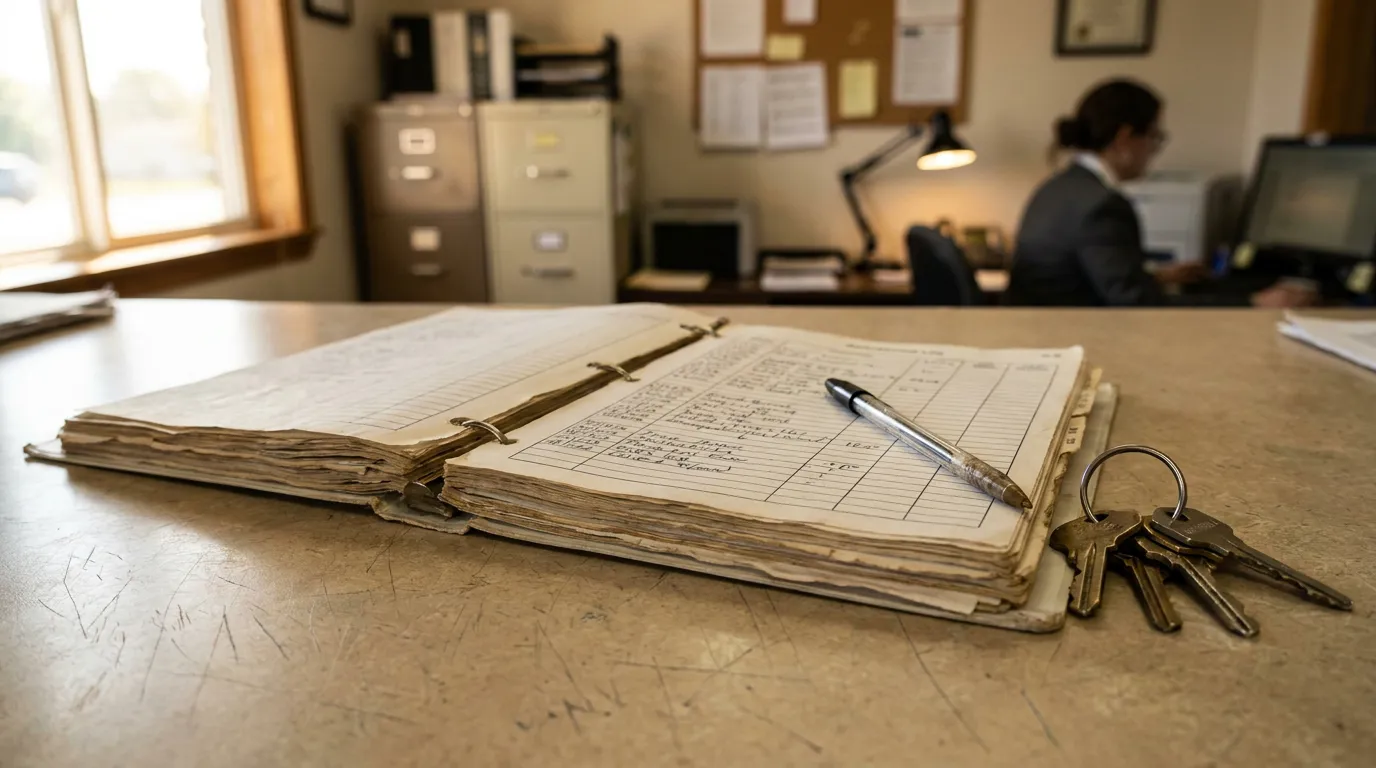
- Sweep sheets, inspection logs, and maintenance records
- Prior complaints or work orders about the same condition
- Witness statements from employees or customers
- Photographs showing dirt or tracking suggesting the hazard sat for a while
💡 Pro Tip: Photograph the hazard from several angles before anyone cleans it up, and capture surrounding details like aisle markers so the location can be identified later.
How Inspection Duties Reinforce the Notice Concept
New York law reflects the expectation that property owners will inspect and maintain their premises. NY Real Property Actions & Proceedings Law Section 778(6) provides that an administrator "shall be liable only in his or her official capacity for injury to persons and property by reason of conditions of the premises in a case where an owner would have been liable," and that appointing an administrator "shall not relieve an owner of liability for injury to persons and property in such case." The constructive notice element itself comes from case law, but the statutory backdrop underscores that the owner’s duty regarding hazardous conditions remains central.
Where Constructive Notice Fits in the Larger Premises Liability Picture
Slip and fall claims are one subset of premises liability, which covers any unsafe condition and resulting injury. An injured person must show that the owner owed and breached a duty of reasonable care, and that the breach caused the injury and damages. Notice supports the breach element but does not carry the whole case.
Your status on the property still matters. New York no longer applies rigid invitee, licensee, and trespasser categories; instead, an owner generally owes a duty of reasonable care under all circumstances, with foreseeability of the plaintiff’s presence a key consideration.
Understanding when is a property owner liable can help set realistic expectations. Many people assume falling on someone else’s property automatically means compensation. In practice, notice questions, comparative fault, and proof of damages all shape the outcome.
Deadlines That Can Quietly End a New York Fall Injury Claim
New York generally gives injured people three years from the date of the accident to file a slip and fall lawsuit. The statute of limitations lists "Slip and fall" as three years under CPLR 214(5). That is the outer limit for filing, and constructive notice evidence rarely survives that long.
Falls on property owned by New York City or New York State follow much shorter deadlines. Claims against municipalities generally require a notice of claim within 90 days under General Municipal Law 50-e, with suit commenced within one year and 90 days under General Municipal Law 50-i and CPLR 217-A. Claims against the State follow Court of Claims Act Section 10, which imposes 90-day filing requirements. This is critical for sidewalk, subway, or public-building falls.
If a fall results in death, a different and shorter period applies. Wrongful death claims are generally two years from the date of death under EPTL 5-4.1, and shorter notice-of-claim rules may still apply where a public entity is involved.
| Type of Claim | General Deadline | Authority |
|---|---|---|
| Slip and fall | 3 years from date of accident | CPLR 214(5) |
| Other negligence causing personal injury | 3 years from date of accident | CPLR 214(5) |
| Claims against New York City or New York State | 90 days to give notice; 1 year and 90 days to sue (State claims follow Court of Claims Act Section 10) | GML 50-e and 50-i; CPLR 217-A |
| Wrongful death | 2 years from death | EPTL 5-4.1 |
💡 Pro Tip: If your fall happened on a public sidewalk, note whether the adjacent property is commercial, since responsibility for sidewalk maintenance in New York City can shift depending on the abutting property type.
Practical Steps That Strengthen Premises Liability Proof
What you do in the first days after a fall can affect whether the notice question can be answered. Notify the property owner promptly, seek medical care, and document the claim. Reporting the incident may create a written record with date and location.
Medical documentation serves two purposes. It supports damages and causation elements and helps establish a timeline connecting the fall to your injuries. Gaps in treatment frequently become a point of dispute.
Preserving third-party evidence often requires prompt written requests. Video systems may overwrite footage quickly, and inspection logs are not always retained indefinitely. Working with a brooklyn slip and fall lawyer early can help send preservation letters before the record is gone.
Frequently Asked Questions
1. What is the difference between actual and constructive notice?
Actual notice means the owner genuinely knew about the dangerous condition, often because someone reported it. Constructive notice means the owner should have known because the hazard was visible and existed long enough that reasonable inspection would have revealed it. Either may satisfy the notice requirement, though neither is required where the owner created the condition.
2. How long must a hazard exist before constructive notice applies?
There is no fixed time period set by statute. Courts consider the nature of the condition, its visibility, foot traffic, and inspection practices. Similar-sounding incidents can produce different results.
3. Does a store’s lack of inspection records help my case?
It may, though it is not decisive on its own. Missing or inconsistent sweep logs may undercut a defendant’s showing that reasonable inspections occurred, which is relevant to property owner knowledge. Weight depends on the full evidentiary record.
4. Do I still have a case if I fell on a public sidewalk?
Possibly, but deadlines are substantially shorter and procedural requirements differ. Claims involving municipal property generally require a notice of claim under General Municipal Law 50-e, and in New York City an abutting commercial property owner may bear responsibility for the sidewalk. Missing the notice deadline may end an otherwise viable claim.
5. What if I was partly at fault for the fall?
New York follows pure comparative fault under CPLR 1411, so partial responsibility does not bar recovery. A defendant may argue you were distracted or wearing improper footwear. These arguments reduce damages in proportion to your share of fault rather than defeating a claim.
Bringing the Notice Question Into Focus
Constructive notice asks whether the owner should have found and fixed the hazard before you were hurt. Proving it requires showing the dangerous condition was visible, persisted long enough to be discovered and remedied, and that reasonable inspection would have caught it, within a negligence framework demanding duty, breach, causation, and damages. Deadlines under CPLR 214(5), municipal notice-of-claim rules, and EPTL 5-4.1 vary by defendant and claim type.
If you are trying to piece together what happened and who is responsible, Goldberg Sager & Associates offers free consultations and can meet you at home or in the hospital. Call 718-645-6677 or reach out to our team to get started.
Disclaimer: This content is for informational purposes only and is not legal advice. Every case is unique, and results may vary. Consult an attorney about your specific circumstances.