Protecting the Video That Proves Your Brooklyn Store Fall
Key Takeaways: A store surveillance video spoliation letter is a formal written demand, typically sent by an injured person’s attorney, directing a retailer to preserve camera footage, incident reports, and related records connected to a fall on its property. It matters because most retail systems overwrite recordings within days or weeks, long before a lawsuit is filed. The letter documents that the store was placed on notice, supporting the common-law duty to preserve evidence once litigation is reasonably anticipated, and may support a request for sanctions or an adverse inference if footage is destroyed. New York’s CPLR § 3101(i) backs these demands by requiring full disclosure of films and video tapes involving a party, including all portions rather than only the clips a party intends to use. Because retail fall cases usually turn on whether the store created or had notice of a hazard, complete footage covering the hours before and after the incident is often the strongest available proof. New York’s general three-year filing deadline can create a false sense of security, so sending a preservation demand within days of the fall is generally far more urgent than filing suit.
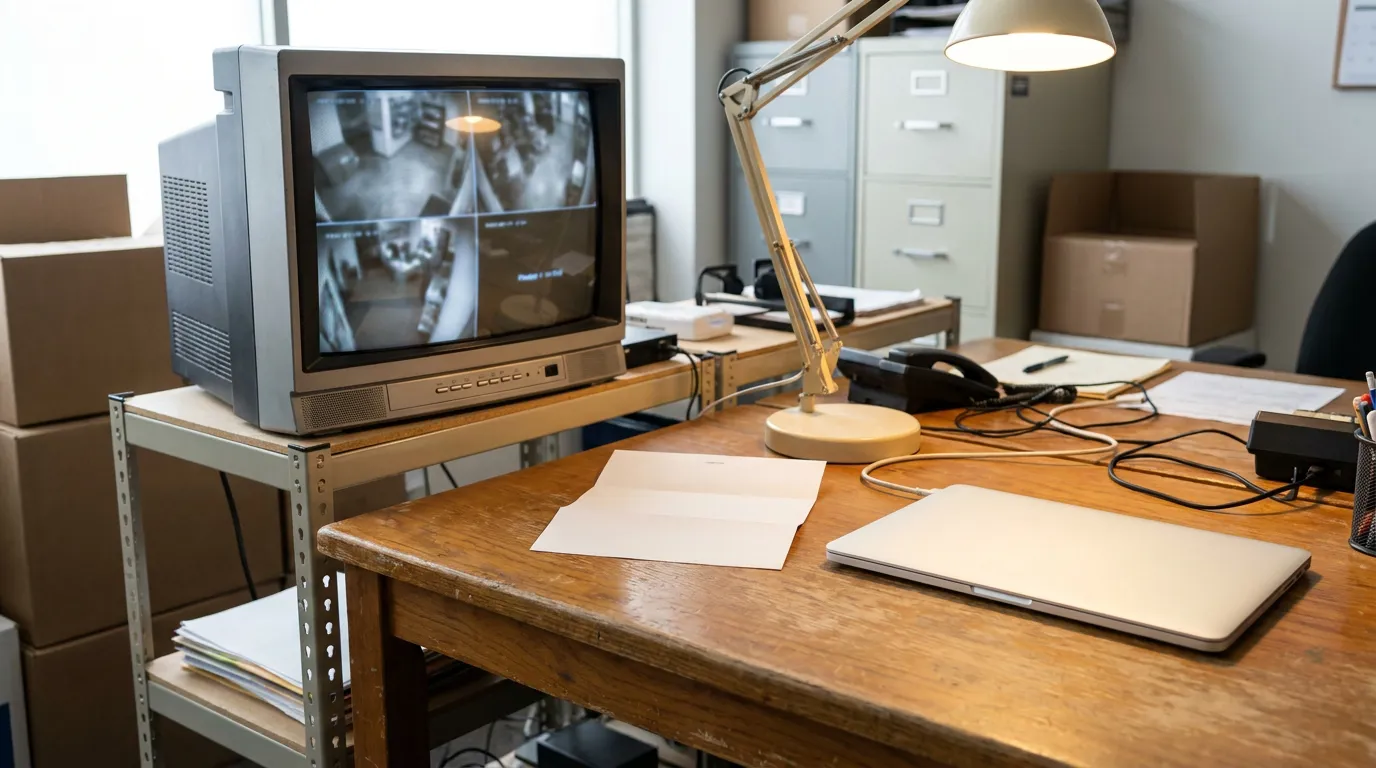
A store surveillance video spoliation letter is a formal written demand, usually sent by an injured person’s attorney, telling a retailer to preserve camera footage, incident reports, and related records connected to a fall on its property. Most retail systems overwrite recordings on a rolling cycle of days or weeks, meaning the best evidence in a slip-and-fall case can disappear before anyone files suit. The letter creates a documented record that the store was on notice, which can matter later if the footage goes missing.
If you were hurt on a slippery aisle, a wet entryway, or an unsalted parking lot, the clock on that video may already be running. The team at Goldberg Sager & Associates helps injured people in Brooklyn and across New York move quickly to demand preservation of evidence. Call 718-645-6677 or contact us now for a free consultation.
What Spoliation Means and Why It Matters to Your Claim
Spoliation describes what happens when evidence relevant to a case is lost, altered, or destroyed. Secondary legal sources describe it as the intentional, reckless, or negligent withholding, hiding, altering, or destroying of evidence relevant to a legal proceeding. That definition is broad on purpose, since New York courts recognize evidence can be lost through negligence as well as bad faith, and negligent loss may still warrant a remedy.
The duty to preserve evidence generally arises once litigation is reasonably anticipated, not only after a summons is served. Commentary on the duty to preserve evidence ties the obligation to the point a party knows or should know a claim is coming, and New York decisions apply a similar standard. A written preservation demand documents that moment and can undercut an argument that the store had no reason to anticipate a claim.
Courts may impose consequences when a party destroys evidence after being put on notice. A court may use its authority under CPLR § 3126 and its inherent common-law power to consider sanctions or an adverse inference instruction, letting a jury infer the missing material would have been unfavorable to the party that lost it. These remedies are discretionary and fact-dependent; missing footage doesn’t automatically produce a favorable ruling. Courts generally weigh the culpable state of mind, relevance of the lost evidence, and degree of prejudice, and typically impose the least severe sanction that addresses the harm.
How New York Law Supports a Store Surveillance Video Spoliation Letter
New York’s discovery statute provides the statutory backbone for demanding retail camera footage. Under CPLR § 3101(i), there must be "full disclosure of any films, photographs, video tapes or audio tapes, including transcripts or memoranda thereof, involving a person referred to in paragraph one of subdivision (a) of this section." That language generally reaches CCTV recordings of a party, though it governs disclosure in a pending action rather than imposing a freestanding pre-suit obligation.
The same provision requires the complete recording, not a convenient clip. CPLR § 3101(i) states "there shall be disclosure of all portions of such material, including out-takes, rather than only those portions a party intends to use." A well-drafted notice to preserve CCTV footage should demand the full, unedited recording, including the period before the fall showing how long the hazard existed, and after showing the store’s response.
What a Preservation Letter Typically Requests
A preservation letter for retail store video is usually broader than the fall itself. Counsel will often request:
- All camera angles covering the incident location, plus entrances and adjacent aisles
- Footage beginning several hours before the fall through the remainder of the shift
- Incident reports, customer complaint records, and internal photographs
- Inspection logs, sweep sheets, and floor-maintenance schedules
- Names and contact information for employees and witnesses present
A preservation letter does not compel production; some materials may later be resisted in discovery on grounds like privilege.
Why Timing Drives the Whole Process
Retention periods vary widely from one retailer to another. Some systems hold recordings for roughly a month, others a week or less, and some overwrite faster when storage runs short. Since the store controls the equipment, an injured customer generally cannot verify the retention window without asking, so sending the demand early is the practical response.
💡 Pro Tip: Report the fall to a manager before you leave and ask for an incident report. It often identifies the camera system and employees on duty, making a later preservation demand far more precise.
Proving a Retail Fall Case in New York
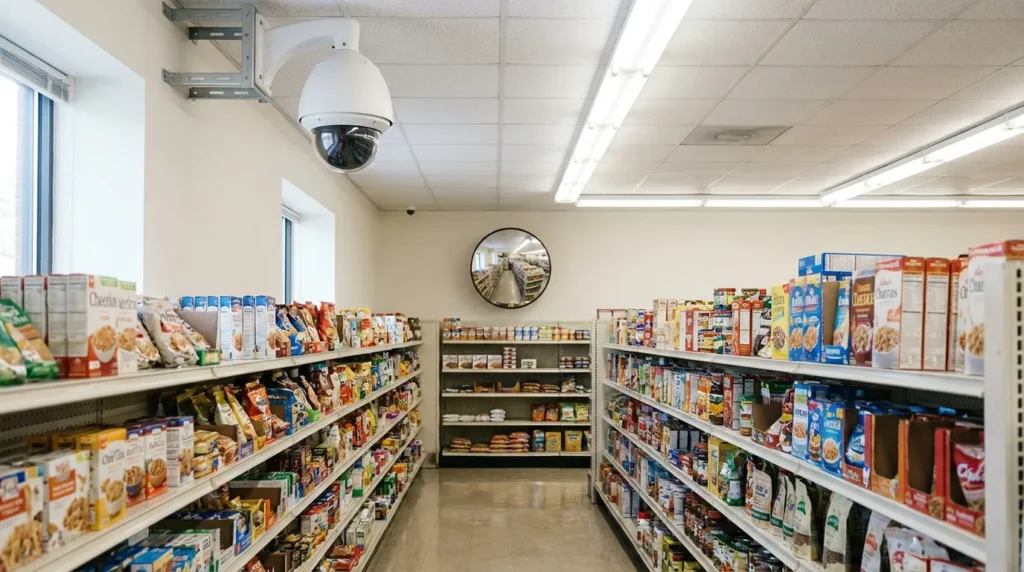
Slip-and-fall liability in New York generally turns on notice. Guidance from the New York City Bar Association explains a claimant must ordinarily show the property owner created the condition or knew or should have known about it and failed to address it within a reasonable time. Video is uniquely suited to that question because it can show when a spill occurred, whether employees walked past it, and how much time elapsed before anyone acted.
Without footage, injured shoppers often rely on weaker proof. Witness memory fades, employees change jobs, and the scene is cleaned within minutes. Understanding your rights after a big box store fall starts with recognizing that the strongest New York premises liability video evidence usually sits on a server controlled by the defendant.
Evidence Sources Compared
| Evidence Type | Who Controls It | Typical Availability |
|---|---|---|
| Store surveillance video | Retailer | Often days to weeks before overwriting |
| Incident report | Retailer | Generally retained, obtained in discovery |
| Sweep or inspection logs | Retailer | Varies by chain and store policy |
| Your own phone photos | You | Permanent if preserved immediately |
| Medical records | Provider | Long-term, but require authorizations |
New York Filing Deadlines and the Urgency Gap
New York generally allows three years to bring a personal injury lawsuit. Under CPLR § 214(5), such actions "must be commenced within three years." The same period under CPLR § 214(4) applies to "an action to recover damages for an injury to property," relevant when a fall also damages belongings.
That three-year window can create a dangerous illusion of time. Nothing in the statute of limitations obligates a retailer to keep video for three years. Footage may be gone in days while the filing deadline sits years away, which is exactly why New York surveillance evidence preservation is a separate and far more urgent task than filing suit.
Limited timing exceptions exist, but courts often interpret them narrowly. CPLR § 203(g) addresses situations where a limitations period runs from when facts were discovered, requiring the action be commenced within two years of such discovery or the otherwise-applicable period, whichever is longer. This applies only where another statute makes discovery the trigger and doesn’t extend an ordinary slip-and-fall deadline, which generally runs from the date of the fall. An infant’s or disabled claimant’s deadline may be tolled under CPLR § 208. Claims against municipalities or public authorities are typically governed by shorter requirements, including a notice of claim due within 90 days under General Municipal Law § 50-e and a suit deadline of one year and 90 days. Anyone unsure of their deadline should seek guidance promptly rather than relying on the general three-year assumption.
💡 Pro Tip: Save the receipt, loyalty card record, or bank statement from your purchase that day. It can time-stamp your presence in the store and help narrow the exact footage window counsel needs to request.
Common Obstacles Injured Shoppers Encounter
Retailers do not always respond to a preservation demand letter the way an injured person hopes. Some stores acknowledge the request in writing, some forward it to a claims administrator, and some don’t reply at all. Silence doesn’t necessarily mean the footage was destroyed, and a response doesn’t guarantee every relevant angle was saved.
Claims adjusters sometimes ask for a recorded statement before any video is discussed. Injured customers frequently give statements while medicated or before the full extent of an injury is known, and those early descriptions can later be compared unfavorably against footage. You are generally under no obligation to give a recorded statement to another party’s insurer, and working with a store surveillance video spoliation letter lawyer early can help you understand what you are and aren’t obligated to provide.
Another frequent obstacle is the "we only have the incident clip" response. A store may produce ninety seconds surrounding the fall while hours showing an unaddressed spill are already gone. That’s the kind of narrowing CPLR § 3101(i) addresses once an action is pending, and why the preservation demand should specify the full retention window from the outset.
Frequently Asked Questions
1. Can I send a spoliation letter myself without an attorney?
Yes, nothing prevents an injured person from sending a written preservation request. That said, letters drafted without knowledge of what a retail system captures often omit critical camera angles or time ranges, and the scope of the request generally shapes what gets saved.
2. What happens if the store deletes the footage anyway?
Courts may consider remedies including sanctions under CPLR § 3126 or an adverse inference instruction, but these are discretionary. A judge generally evaluates whether the store was on notice, whether the loss was negligent or intentional, whether the evidence was relevant, and how much the absence prejudices the claim.
3. Does a spoliation letter start a lawsuit?
No. A spoliation letter is a pre-litigation notice regarding evidence preservation only. Filing a lawsuit is a separate step governed by New York’s civil limitations statutes.
4. How soon after a fall should the letter go out?
As quickly as practical, ideally within days. Because many systems overwrite within a short cycle, even a few weeks’ delay can mean the footage no longer exists when the request arrives.
5. Will I automatically get to see the video once it is preserved?
Not immediately. Preservation and disclosure are distinct, and footage is typically produced through formal discovery after a case is commenced, subject to the rules and any objections the store raises.
Moving Quickly Protects What Video Can Prove
A spoliation letter in a New York slip-and-fall case is a preservation tool, not a formality. New York’s disclosure statute supports broad access to retail camera footage in litigation, including complete recordings rather than selected excerpts, but that statutory right may mean little if the recording has already been overwritten. Because notice is so often the deciding issue in retail fall cases, and the store typically controls the evidence that answers the notice question, prompt action generally matters more than the comfortable three-year filing window suggests. Every case turns on its own facts, and no letter can guarantee a particular outcome.
If you slipped and fell at a store in Brooklyn or elsewhere in New York, do not wait for the footage to disappear. Reach the team at Goldberg Sager & Associates by calling 718-645-6677 or schedule your free consultation today, including home and hospital visits when travel is difficult.
Disclaimer: This content is for informational purposes only and is not legal advice. Every case is unique, and results may vary. Consult an attorney about your specific circumstances.