When a Fall Damages Your Hip Implant: Your Rights in New York
Key Takeaways: Yes, in many cases you may recover damages in New York if a fall broke or damaged your existing hip replacement. Prior hip surgery does not automatically block a premises liability claim. You generally must show that the property owner owed a duty, created the hazard or knew or should have known about it and failed to fix it, and that the hazard caused your fall and real harm, such as a periprosthetic fracture or damaged prosthesis. Insurers often argue the implant was already failing, so medical records from before the fall are key. Compensation may cover revision surgery, a new prosthesis, therapy, lost wages, future procedures and pain and suffering, but comparative fault and collateral source rules can reduce the award. Under CPLR § 5041, part of a large judgment’s future damages may be paid over time, and liens may need to be resolved. You generally have three years to file under CPLR § 214(5). Claims against government entities, including villages, have much shorter notice deadlines and stricter rules, so acting quickly matters.
Yes. In many cases, you may be able to recover damages in New York if a fall broke or damaged your existing hip replacement. It depends on the usual premises liability questions: did the property owner create a hazard, or know or should have known about it and fail to fix it, and did that hazard cause your fall? A prior surgery does not automatically block a claim. Your recovery may cover a revision surgery, a new prosthesis and the setbacks of recovering a second time.
If a fall on someone else’s property damaged your hip implant, you do not have to work through these questions by yourself. Goldberg Sager & Associates offers free consultations and can visit you at home or in the hospital. Call 718-645-6677 or contact us now to talk about your situation.
Why a Damaged Hip Implant Can Still Support a Slip and Fall Claim
A slip and fall claim generally does not go away just because you already had hip surgery. Under New York premises liability law, owners and occupiers generally must keep their property reasonably safe. An injured person typically has to show four things. First, the owner owed a duty. Second, the owner breached it, usually by creating the hazard or failing to fix one it knew about or should have found within a reasonable time. Third, the hazard caused the fall. Fourth, the fall caused real harm. For a broader overview, see our guide on what to do after a slip and fall in New York.
Understanding Periprosthetic Fractures and Prosthesis Damage
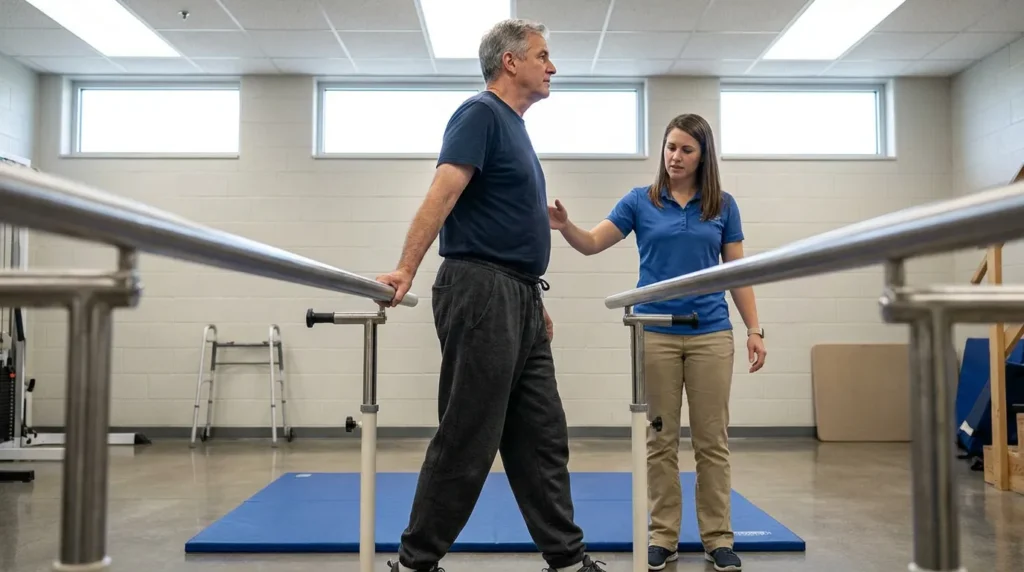
A periprosthetic fracture is a break in the bone around an implant, such as a hip replacement. Falls on icy steps, wet store floors or broken sidewalks are common causes. Prosthesis damage can also include a loose, dislocated or broken part. Doctors often treat these injuries with revision surgery, which can be more complex than the original replacement. Your surgeon’s records play a central role in linking the fall to the damage.
The Aggravation of Prior Surgery Argument
Insurance carriers often argue that the implant was already failing or that your pain comes from the original surgery. You can often respond with evidence of how the hip worked before the fall: imaging, follow-up visits and testimony about daily activities. New York generally holds that a defendant takes an injured person as it finds them. So when a fall worsens a prior condition, you may recover for the harm the fall added, but generally not for the condition you already had.
What Goes Into a Slip and Fall Hip Replacement Settlement
A slip and fall hip replacement settlement usually reflects both economic and non-economic losses. Economic losses can be shown with bills and records. Non-economic losses reflect how the injury changed your life. Hip implants may need more procedures years later, so damages often look further ahead.
Common types of compensation may include:
- Revision surgery, a replacement prosthesis and hospital stays
- Physical therapy, rehabilitation and home care
- Lost wages and reduced future earning ability
- Expected future procedures, such as a later revision of the new implant
- Past and future pain and suffering and loss of enjoyment of life
💡 Pro Tip: Ask your orthopedic surgeon to note in your chart how long your implant would normally have lasted before the fall. That opinion can help support a claim for future revision costs.
How Comparative Fault Can Affect Your Recovery
Being partly at fault for a fall does not necessarily prevent recovery in New York. Under N.Y. CPLR § 1411, New York uses pure comparative negligence, and under N.Y. CPLR § 5041(a), the court applies comparative negligence, set-offs and credits when calculating damages. If a jury found you partly responsible, your award would be reduced by your percentage of fault. You can still recover the rest, even if you were mostly at fault.
How Collateral Source Rules May Reduce a Hip Replacement Settlement
New York lets defendants ask the court to reduce an award by amounts that other sources paid or will pay. Under N.Y. CPLR § 4545, a defendant may present evidence that costs for medical care, rehabilitation, lost earnings or other economic loss were paid, or with reasonable certainty will be paid, by a collateral source such as health insurance. The rule applies only to economic losses, not pain and suffering. Life insurance is excluded, as are payments from sources with a legal right to be repaid, such as certain workers’ compensation or Medicaid liens.
The statute also protects injured people. Under N.Y. CPLR § 4545(a), the reduction is lowered by the premiums you paid for those benefits during the two years before the claim arose, and by the projected cost of keeping those benefits in the future. The court decides this after the verdict, so you can generally prove the full cost of your orthopedic care at trial.
How Large Awards Are Paid Out in New York
For larger verdicts, New York law controls how and when the money is paid, not only how much. Under N.Y. CPLR § 5041(b), past damages are generally paid in a lump sum, and so is the first $250,000 of future damages. These rules apply to judgments after trial. Settlements are usually paid however the parties agree.
| Type of Damages | How It Is Generally Paid |
|---|---|
| Past damages | Lump sum (CPLR § 5041(b)) |
| Future damages up to $250,000 | Lump sum (CPLR § 5041(b)) |
| Future damages over $250,000 | The portion over $250,000, after certain deductions such as attorney fees, is paid through an annuity whose payments rise 4% each year (CPLR § 5041(e)) |
| Future pain and suffering over the threshold | Paid over 10 years or the period the jury sets, whichever is shorter |
The parties can sometimes agree on a different payment plan. Under N.Y. CPLR § 5041(f), the court may enter a different judgment if the claimant and the liable parties consent. Also, under N.Y. CPLR § 5041(d), a subrogee or lien holder that files a timely election may be repaid in a lump sum, out of future damages, for what it already paid.
Deadlines That Can Make or Break Your Claim
New York generally gives you three years from the date of injury to file a personal injury lawsuit against a private property owner. That deadline comes from N.Y. CPLR § 214(5). If you miss it, the claim may be barred no matter how strong it is. Exceptions exist only in limited cases, such as when the injured person is a minor.
Falls on Public Sidewalks and Village Property
Claims involving government property follow separate and stricter rules. Against most municipalities and public authorities, General Municipal Law § 50-e generally requires a notice of claim within 90 days of the fall. Under General Municipal Law § 50-i, the lawsuit usually must be filed within one year and 90 days. For village property, N.Y. CPLR § 9804 generally bars a lawsuit over a defective street, sidewalk or crosswalk, or over snow and ice, unless someone gave the village clerk written notice of that specific condition and the village failed to fix it within a reasonable time. In New York City, the owner of the building next to a sidewalk may be responsible instead of the city.
💡 Pro Tip: If you fell on a public sidewalk, write down the exact location and take photos of nearby landmarks right away.
Steps to Protect Your Orthopedic Damages Claim
Acting promptly can save evidence that might otherwise disappear. Store owners can mop up spills, video can be recorded over, and ice can melt within hours. Photograph the hazard, get contact information from witnesses and report the fall to the property owner or manager. Get medical care right away and tell your doctor that you have a hip replacement.
Keep every record about your hip, from both before and after the fall. Earlier imaging and follow-up visits can show that the implant was stable before the accident. Bills, pharmacy receipts and notes about missed work help document your losses. A slip and fall hip replacement settlement lawyer can help you organize this evidence and deal with the insurers.
Frequently Asked Questions
1. Can I recover damages if my hip replacement was already old?
In many cases, yes. The question is generally whether the fall caused new damage or made your condition worse. Medical records from before the fall can help show the difference.
2. What is a periprosthetic fracture?
It is a break in the bone around an implant, such as a hip replacement. These fractures often require revision surgery and a long recovery.
3. Will my health insurance payments reduce my slip and fall hip replacement settlement?
They may. Under N.Y. CPLR § 4545, a court may reduce the economic damages in an award by collateral source payments. That reduction is generally offset by premiums you paid, and some payments, such as life insurance, are excluded.
4. How long do I have to file a lawsuit?
Generally, you have three years from the date of injury under N.Y. CPLR § 214(5). Claims against government entities usually require a notice of claim within 90 days and a lawsuit within one year and 90 days.
5. What if I was partly at fault for the fall?
Under N.Y. CPLR §§ 5041(a) and 1411, your recovery is reduced by your percentage of fault, but you can still recover the rest.
Moving Forward After Your Hip Implant Is Damaged
A fall that breaks an existing hip replacement can set back years of recovery, but New York law may still allow you to seek compensation. Liability depends on the property owner’s duty, its notice of the hazard and causation. Collateral source rules, comparative fault and the payment rules for large judgments can all affect what you finally receive. Deadlines under CPLR § 214(5) and the much shorter notice rules for public property make acting quickly especially important.
You do not have to face the insurance companies alone while you recover from revision surgery. Goldberg Sager & Associates can review your situation in a free consultation and visit you at home or in the hospital. Call 718-645-6677 or schedule your consultation today.
Disclaimer: This content is for informational purposes only and is not legal advice. Every case is unique, and results may vary. Consult an attorney about your specific circumstances.