How Crash Reconstruction Can Shape Your New York Injury Claim
Key Takeaways: An accident reconstruction expert witness studies physical evidence from a crash, such as skid marks, vehicle damage, black box data, and video footage. They use physics to explain how the collision most likely happened, including speeds, points of impact, sightlines, braking, and the order of events. In a New York car crash case, this testimony can help prove the other driver was negligent when fault is disputed. It must hold up under cross-examination, and when its methods are new, it must meet New York’s Frye standard for admissibility. When a party asks, CPLR § 3101(d)(1)(i) generally requires the other side to disclose its reconstruction expert and a summary of the grounds for that expert’s opinions. Under New York’s pure comparative negligence rule in CPLR § 1411, damages are reduced by the injured person’s share of fault, so reconstruction evidence may directly affect how much you recover.
An accident reconstruction expert witness studies the physical evidence from a collision and explains how the crash most likely happened. In a New York car crash case, this testimony may address vehicle speeds, points of impact, sightlines, braking, and the order of events. When the other driver’s insurer disputes who caused the collision, reconstruction evidence can be one of the strongest ways to prove fault. It can also shape how a jury divides responsibility under New York’s comparative negligence rules.
If you were hurt in a collision and the other side is blaming you, Goldberg Sager & Associates can review the evidence and explain your options. Call 718-645-6677 or contact us now to talk about your case.
Why Fault Disputes Often Require Scientific Proof
Many collisions come down to competing stories, and memories after a violent impact are often incomplete. One driver may say the light was green, and the other may claim the opposite. Witnesses may disagree, and video may be partial or missing.
Reconstruction work helps fill those gaps with physics and physical evidence. Instead of relying only on testimony, a reconstructionist looks at measurable data that does not change with memory. That evidence can carry real weight when an insurer tries to downplay or deny a claim.
Fault is also only one hurdle in a New York claim. Under N.Y. Ins. Law § 5104(a), an injured person suing another covered person over a motor vehicle accident generally cannot recover non-economic loss, such as pain and suffering, unless they suffered a serious injury. They also cannot recover basic economic loss, which no-fault benefits cover instead. Even after clearing the serious injury threshold, a plaintiff must still prove the other driver was negligent, and reconstruction testimony can help.
What an Accident Reconstruction Expert Witness Actually Does
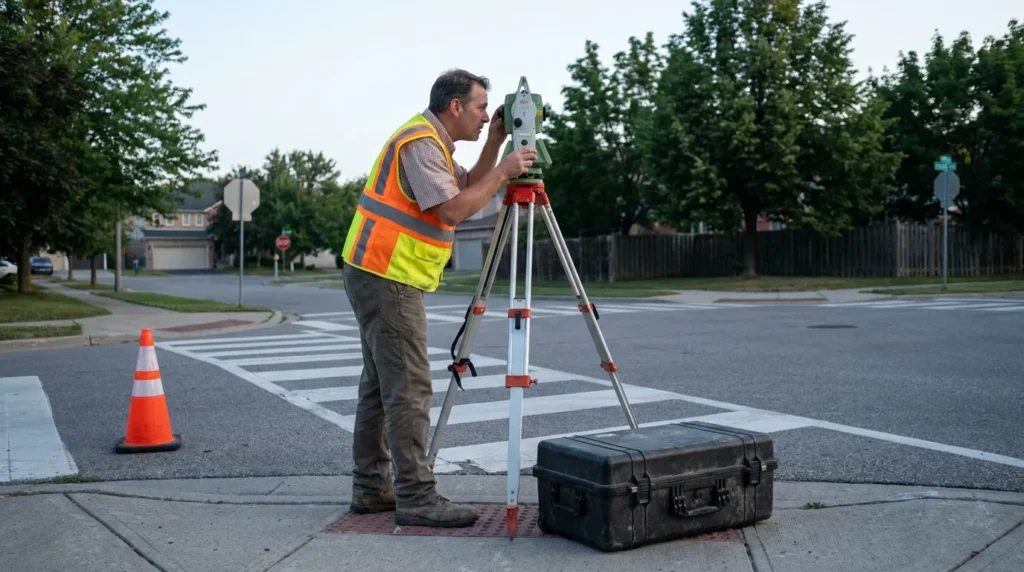
A reconstructionist uses physical evidence to build a reliable explanation of the crash. The work combines scene evidence, vehicle data, and engineering principles, aiming for an opinion that can withstand cross-examination.
Gathering and Analyzing Physical Evidence
The process usually begins with collecting all available data from the scene and the vehicles. Common sources include:
- Skid marks, yaw marks, and debris fields at the scene
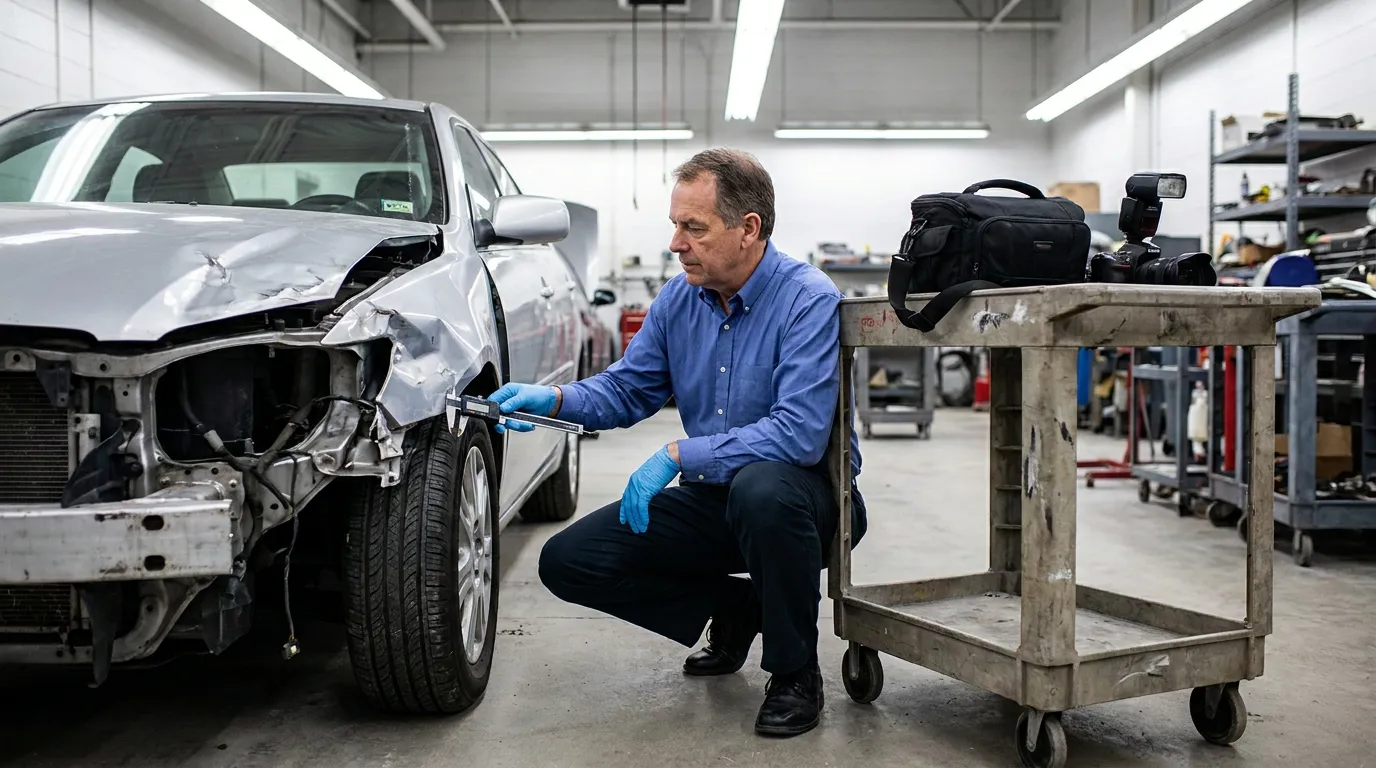
- Vehicle crush damage and deformation patterns
- Event data recorder ("black box") downloads showing speed and braking
- Traffic camera, dashcam, or nearby surveillance footage
- Police reports, scene photographs, and measurements
- Road design, signs, lighting, and sightlines
Timing matters because much of this evidence can disappear quickly. Vehicles get repaired or scrapped, roads get resurfaced, and video is often recorded over within days or weeks. A car accident lawyer who acts early to preserve evidence can affect what a reconstructionist has to work with later.
💡 Pro Tip: Do not approve repairs or salvage of your vehicle until you have talked with counsel about preserving evidence. The vehicle may hold crush data and an onboard data recorder that could support your account of the crash.
Forming Opinions on Speed, Impact, and Sequence
After gathering data, the reconstructionist applies physics to work out how the collision happened. Calculations may estimate speeds before impact, the angle and point of impact, reaction times, and whether a driver could have avoided the crash. Simulations or diagrams may help show those findings to a jury.
Courts generally look at whether these opinions rest on physical evidence rather than guesswork. New York courts require that expert opinions, including those from accident reconstructionists, be grounded in facts in the record rather than speculation before they can be admitted or given weight. An opinion the record does not support may carry little weight or may not be admitted.
Testifying and Withstanding Cross-Examination
At trial, the reconstructionist explains technical findings in plain terms jurors can follow. The defense will usually test the qualifications, data, and assumptions behind each conclusion.
How New York Courts Decide Whether Reconstruction Testimony Comes In
New York courts generally require reconstruction witnesses to be properly qualified and to have a proper factual basis before their opinions can reach a jury. New York applies the Frye standard rather than the federal Daubert standard. Frye asks whether a new scientific method is generally accepted in the relevant scientific community. Even when methods are well established, courts separately check whether the expert’s opinion fits the facts of the case.
Admissibility depends on the facts, and outcomes can vary. A well-supported analysis may be admitted, while a new or poorly supported technique may be excluded or limited.
The Disclosure Rules That Govern Reconstruction Witnesses
New York’s discovery statute sets out what each side must share about the experts it plans to call at trial. Under CPLR § 3101(d)(1)(i), when a party asks, the other side must identify each expert witness it expects to call at trial. It must also describe in reasonable detail the subject of the testimony, the facts and opinions the expert is expected to testify about, the expert’s qualifications, and a summary of the grounds for each opinion.
| Rule | What It Generally Means for Your Case |
|---|---|
| CPLR § 3101(d)(1)(i) | When requested, each side’s reconstructionist and a summary of the grounds for their opinions are usually disclosed before trial |
| CPLR § 3101(d)(1)(i), late retention | If a party hires an expert for good cause too close to trial to give proper notice, the court may not exclude the testimony solely for late notice |
| CPLR § 3101(d)(1)(iii) | Further expert discovery generally requires a court order and a showing of special circumstances |
| CPLR § 3101(d)(2) | Materials prepared for litigation are generally protected unless the other side shows substantial need and undue hardship |
| CPLR § 3101(f) | Defendants generally must disclose insurance policies, including excess and umbrella coverage, that may pay a judgment |
These rules apply to both sides, so preparation matters. The defense will usually learn the basis of your reconstructionist’s opinions, and you will generally learn theirs. Because further discovery is restricted, a car accident lawyer often must prepare for cross-examination using only the disclosed summary.
Insurance disclosure also affects strategy. Under CPLR § 3101(f)(1), a defendant generally must provide proof of insurance coverage that may satisfy a judgment within 90 days after serving an answer. Knowing the available limits can help you decide whether hiring a reconstructionist and going to trial makes sense.
How Reconstruction Evidence Affects Comparative Fault
Reconstruction findings often decide not only who was at fault but by how much. New York follows pure comparative negligence under CPLR § 1411. A plaintiff’s own culpable conduct does not bar recovery, even if the plaintiff was mostly at fault. Instead, it reduces damages in proportion to the plaintiff’s share of fault.
The statute defines culpable conduct broadly to include contributory negligence and assumption of risk. Insurers often argue that an injured driver was speeding, distracted, or late to brake. Skid marks, damage patterns, and impact analysis may help confirm or refute those claims, and understanding New York negligence law can help you see why every percentage point matters.
From Verdict to Judgment
Fault percentages can directly change the final amount. Under CPLR § 5041(a), when entering judgment in a personal injury, property damage, or wrongful death case, the court must apply comparative negligence under CPLR § 1411, along with set-offs, credits, additurs, and remittiturs. Testimony that shifts fault even slightly can therefore affect recovery.
How you get paid may also depend on the size of the award. Under CPLR § 5041(b) and (e), past damages and future damages up to $250,000 are generally paid in a lump sum. Future damages above $250,000 may be paid in periodic installments funded by an annuity. Parties can agree to different terms in a settlement.
When Your Claim May Benefit From Reconstruction Analysis
Not every collision calls for a reconstructionist, but some situations make one more valuable. These often include disputed intersection crashes, multi-vehicle pileups, commercial truck collisions, pedestrian strikes, hit-and-run cases, and fatal collisions with no surviving eyewitness. Cases where the insurer claims you share a large part of the fault may also benefit.
An accident reconstruction expert witness lawyer can help you decide whether the analysis fits your situation. Our accident reconstruction expert witness lawyer team can evaluate the evidence, the available insurance coverage, and the likely fault arguments.
💡 Pro Tip: Write down everything you remember about the crash as soon as you can, including lane position, signals, weather, and lighting. Your early account can help a reconstructionist test their findings against what you actually saw.
Frequently Asked Questions
1. Does every car crash case need a reconstructionist?
Not necessarily. Many claims resolve on police reports, photographs, and witness statements. Reconstruction is most useful when fault is seriously disputed or the facts are complex.
2. Can the defense hire its own reconstruction witness?
Yes. Insurers and defense teams often hire their own experts. Under CPLR § 3101(d)(1)(i), when requested, each side generally must disclose its expected trial experts, the substance of their opinions, and a summary of the grounds for those opinions.
3. What if a reconstructionist is hired shortly before trial?
If a party hires one for good cause too close to trial to give proper notice, CPLR § 3101(d)(1)(i) provides that the court may not exclude the testimony solely for that reason. Without good cause, a court may limit or exclude the testimony.
4. Can I still recover if I was partly at fault?
Yes. Under CPLR § 1411, partial fault does not bar recovery, but it reduces your damages by your share of fault. Reconstruction evidence may help keep that percentage accurate.
5. Do I need a serious injury to use reconstruction evidence?
You can use reconstruction evidence in any fault dispute. However, to recover pain and suffering from another covered driver, N.Y. Ins. Law § 5104(a) requires a serious injury. Once you meet that threshold, reconstruction evidence may help prove the other driver’s negligence.
Turning Physical Evidence Into a Clear Account of Fault
An accident reconstruction expert witness can turn skid marks, vehicle damage, and data into a credible explanation of how a crash happened. New York’s disclosure rules, admissibility standards, and comparative negligence rules all affect how that testimony is used. Because outcomes depend on specific facts, preserving evidence early and evaluating the case carefully can make a real difference.
If an insurer is disputing fault after your collision, Goldberg Sager & Associates can help you understand your rights and next steps. Call 718-645-6677 or schedule your consultation today.
Disclaimer: This content is for informational purposes only and is not legal advice. Every case is unique, and results may vary. Consult an attorney about your specific circumstances.