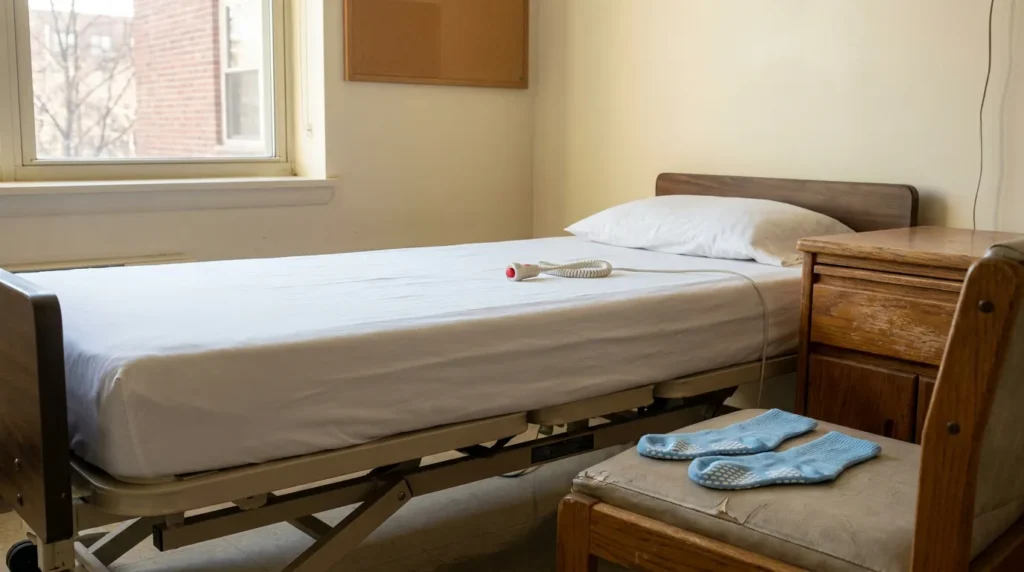
Understanding Pressure Ulcers as a Sign of Substandard Care
Key Takeaways: Yes, bedsores can be valid grounds for a New York nursing home neglect claim when they result from a facility’s failure to provide reasonable care such as repositioning, monitoring, nutrition, and proper wound treatment. Because advanced pressure ulcers are widely treated as preventable, their development often signals a breach of duty to a vulnerable resident. New York law establishes clear obligations through resident rights standards and the Public Health Law, and a negligence claim must prove four elements: duty, breach, causation, and damages. Strict deadlines apply, generally three years from injury under CPLR § 214(5) for ordinary negligence, though claims framed as medical malpractice carry a shorter two-and-a-half-year deadline under CPLR § 214-a, and claims against government-operated facilities require a Notice of Claim within as little as 90 days. Strong cases depend on preserving evidence early, including medical records, wound-care logs, staffing records, and supporting medical opinion.
Yes, bedsores can absolutely serve as the foundation for a New York nursing home neglect claim when they result from a facility’s failure to provide reasonable care. Pressure ulcers rarely appear without warning in well-run facilities, and their presence often signals that staff failed to reposition, monitor, or properly treat a vulnerable resident. When a preventable wound develops and worsens, families are right to question whether the facility breached its duty of care.
If your family member developed a serious pressure ulcer while in a care facility, the team at Goldberg Sager & Associates is prepared to help you understand your options. You can call us at 718-645-6677 or reach out through our confidential case review form to discuss what happened and what steps may come next.

What a Bedsore Actually Reveals About Facility Care
Bedsores, clinically known as pressure ulcers, develop when sustained pressure cuts off blood flow to the skin and underlying tissue. They typically form over bony areas such as the heels, hips, tailbone, and elbows, and progress through recognized stages, from reddened skin to deep wounds exposing muscle or bone. For immobile residents, prevention depends on consistent repositioning, nutrition, hygiene, and skin monitoring.
The development of an advanced pressure ulcer is frequently treated as a preventable event rather than an unavoidable outcome. Research framing pressure-ulcer reduction through a systems lens supports the view that facilities should implement structured preventive strategies. One peer-reviewed analysis approaching the problem as a solvable operations challenge underscores that care settings should adopt reliable, repeatable prevention protocols, establishing a standard-of-care baseline relevant to a pressure ulcer nursing home lawsuit.
💡 Pro Tip: Photograph any visible wound at each visit with a date stamp, and keep a simple log of when repositioning or wound care was or was not performed. This contemporaneous record can become valuable evidence later.
The Legal Duties New York Facilities Owe Residents
New York law imposes clear obligations on nursing homes, and a neglect claim generally alleges that one or more of those duties were breached. Resident rights materials published by the state establish concrete care standards. Under these standards, a facility must provide safe, clean, comfortable rooms and protect residents from harsh and abusive treatment. When a resident develops an untreated, worsening bedsore, families may argue that these baseline protections were not honored.
Beyond the rights framework, the state regulates how nursing home operators must function. New York Public Health Law § 2856, addressing the powers and limitations of a nursing home company, helps frame the regulatory obligations operators must meet, establishing the standard of care that a negligence-based claim relies on.
A New York negligence claim is built on four elements: duty, breach, causation, and damages. The facility owed a duty of care, allegedly breached it through inadequate prevention or treatment, that breach caused the pressure ulcer or allowed it to worsen, and the resident suffered harm. Proving causation often requires medical documentation and supporting opinion from treating providers.
How Nursing Home Neglect Lawyers New York Build Bedsore Claims
Nursing home neglect lawyers New York families rely on typically begin by preserving evidence and reconstructing the timeline of care. Because pressure ulcers develop over time, the medical chart, wound-care notes, repositioning logs, and staffing records often reveal gaps between what a facility was required to do and what it actually did.
Families also have formal, state-recognized channels to raise concerns while a claim is being evaluated. The state’s resident rights framework requires facilities to maintain a grievance process and respond within 21 days. This administrative complaint process is separate from a civil lawsuit, and filing a grievance does not satisfy court deadlines or preserve a legal claim.
Understanding how to document harm and pursue full recovery is central to any strong case. Our discussion of nursing home neglect compensation New York explains the categories of damages that may be available, from medical expenses to pain and suffering, subject to the facts and applicable law.
💡 Pro Tip: Request a complete copy of the medical and care records in writing as early as possible. Facilities are generally obligated to provide them, and early requests reduce the risk of missing or altered documentation.
Deadlines That Can Make or Break a Bedsore Claim
New York sets strict time limits for filing negligence lawsuits, and missing them can bar an otherwise valid claim entirely. The general rule for most personal injury actions comes from the Civil Practice Law and Rules. Under New York CPLR § 214, the following actions must be commenced within three years: an action to recover damages for a personal injury except as provided in sections 214-b, 214-c, 214-i and 215. This three-year period generally governs a bedsore claim framed as ordinary negligence. However, when the alleged harm stems from clinical treatment decisions by licensed medical providers, the claim may be treated as medical malpractice, which carries a shorter two-and-a-half-year deadline under CPLR § 214-a. If a resident dies, a wrongful death claim must generally be brought within two years of death under EPTL § 5-4.1. Because many bedsore cases involve overlapping theories, the applicable deadline is fact-specific and should be confirmed with counsel.
These deadlines vary by claim type, and understanding the range helps families act promptly. According to the state’s own guidance, in civil cases, statutes of limitations usually range between one and ten years, with at least one year from the date of an event to start a case. In personal injury matters, the clock is often counted from the date of the injury itself.
A critical exception applies when the facility is government-operated or municipal. These claims carry stricter, earlier procedural requirements. A Notice of Claim generally must be filed before suit begins, and claimants may have as little as 90 days to notify the agency under General Municipal Law § 50-E, with the lawsuit itself subject to a shortened window. Courts interpret these procedural requirements narrowly, and missing them can result in dismissal.
| Type of Facility | General Deadline Framework | Key Statutory Reference |
|---|---|---|
| Private nursing home | Generally three years from injury (shorter if treated as medical malpractice) | CPLR § 214(5); § 214-a |
| Government or municipal facility | Notice of Claim required first; shortened suit window | Gen. Mun. Law § 50-E |
Tolling and discovery-based extensions may exist in limited circumstances, but they are never automatic. New York courts interpret exceptions to filing deadlines narrowly, and whether any extension applies depends entirely on the facts. Families are encouraged to seek guidance early rather than assume additional time is available.
💡 Pro Tip: If you suspect the facility is publicly operated, flag that fact immediately when seeking counsel. The shorter notice requirements for government entities leave far less room for delay.
Common Challenges Families Face in Bedsore Cases
Proving that a bedsore resulted from neglect rather than an underlying medical condition is often the central battleground. Facilities frequently argue that a wound was unavoidable given the resident’s fragile health. Overcoming that defense generally requires:
- Complete medical and wound-care records showing ulcer progression
- Repositioning, nutrition, and hydration logs demonstrating care gaps
- Staffing records revealing understaffing or missed rounds
- Supporting medical opinion connecting the breach to the injury
These cases are highly fact-dependent, and no two situations produce identical results. A skilled personal injury New York legal team will evaluate the evidence, applicable deadlines, and standard of care before advising on a realistic path forward.
Frequently Asked Questions
1. Is a bedsore always evidence of neglect?
Not necessarily. While advanced pressure ulcers often suggest inadequate care, some wounds develop despite reasonable prevention efforts due to a resident’s medical fragility. Whether a specific bedsore reflects neglect is a fact-specific question requiring medical review.
2. How long do I have to file a bedsore negligence claim in New York?
Often three years from the date of injury under CPLR § 214(5) when the claim is based on ordinary negligence. However, if the claim is treated as medical malpractice it may carry a shorter two-and-a-half-year deadline under CPLR § 214-a, wrongful death claims generally must be brought within two years of death, and claims against government-operated facilities involve much shorter notice requirements. Acting promptly protects your options.
3. What compensation might be available in a bedsore claim?
Recovery may include medical costs, pain and suffering, and related losses, subject to the facts and governing law. The categories and amounts depend on the severity of the injury and the strength of the evidence.
4. Does filing a facility grievance protect my legal deadline?
No. The administrative grievance process is separate from a civil lawsuit. Filing a complaint with the facility does not stop the statute of limitations from running.
5. What should I do first if I discover a serious bedsore?
Seek medical evaluation, document the wound, and request the care records in writing. Preserving evidence early strengthens any potential New York nursing home injury claim.
Protecting Your Loved One’s Rights
Bedsores can serve as compelling evidence in a nursing home neglect claim when they stem from a facility’s failure to meet recognized care standards. Between the duty of care imposed by New York law, the regulatory obligations under the Public Health Law, and the strict deadlines governing civil and government claims, these cases reward early, careful action. Because every situation turns on its own facts, families benefit from understanding the standard of care and the evidence that supports it before deadlines pass.
If you believe a preventable pressure ulcer reflects substandard care, the nursing home neglect lawyers New York families turn to at Goldberg Sager & Associates are ready to listen. Call us today at 718-645-6677 or contact us through our secure online intake page to discuss your family’s situation and the options that may be available.