When a Winter Fall in a Parking Lot Becomes a Legal Claim
Key Takeaways: Yes, snow and ice in a parking lot can lead to a New York injury claim when the property owner caused the hazard or knew (or should have known) about it and failed to act, and that hazard directly caused a measurable injury. You must prove the owner’s breach of a duty of reasonable care, causation, and damages. The storm in progress rule can bar claims during active snowfall, though pre-existing ice may still qualify. Notice requirements and strict filing deadlines can make or break a case, and responsibility may fall on an owner, tenant, adjacent landowner, or municipality depending on control. Many claims resolve through settlement, with value depending on notice, injury severity, evidence quality, and insurance. Because timing rules are narrow, acting quickly and preserving evidence is essential.
Yes, snow and ice in a parking lot can lead to a New York injury claim when specific legal elements are met. A fall may support a claim when a property owner knew or should have known about the hazard and failed to address it, and that hazard directly caused your injury. Winter conditions in Brooklyn and across New York create common premises hazards, yet not every fall results in a viable case.
If you were hurt on an icy lot and want to understand your options, the team at Goldberg Sager & Associates offers free consultations and can visit you at home or in the hospital. Call us at 718-645-6677 to discuss what happened, or reach out through our online contact page.
How New York Premises Liability Applies to Icy Parking Lots
Premises liability allows an injured person to recover compensation from a property owner whose negligence caused harm. According to guidance from the New York City Bar, when you are lawfully on someone else’s property and the owner’s negligence causes your injury, the owner may be held liable. This doctrine addresses any unsafe condition and resulting injury.
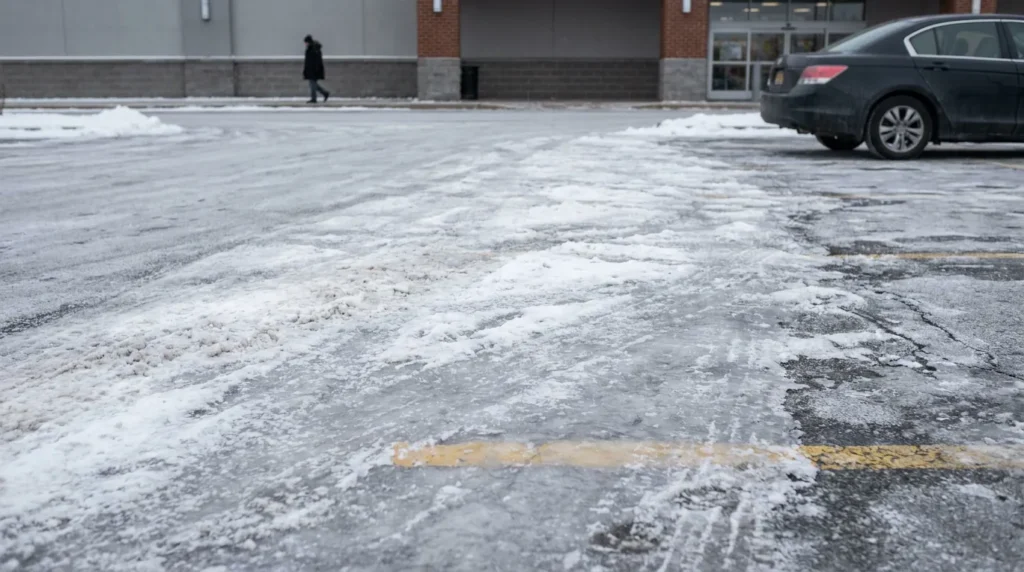
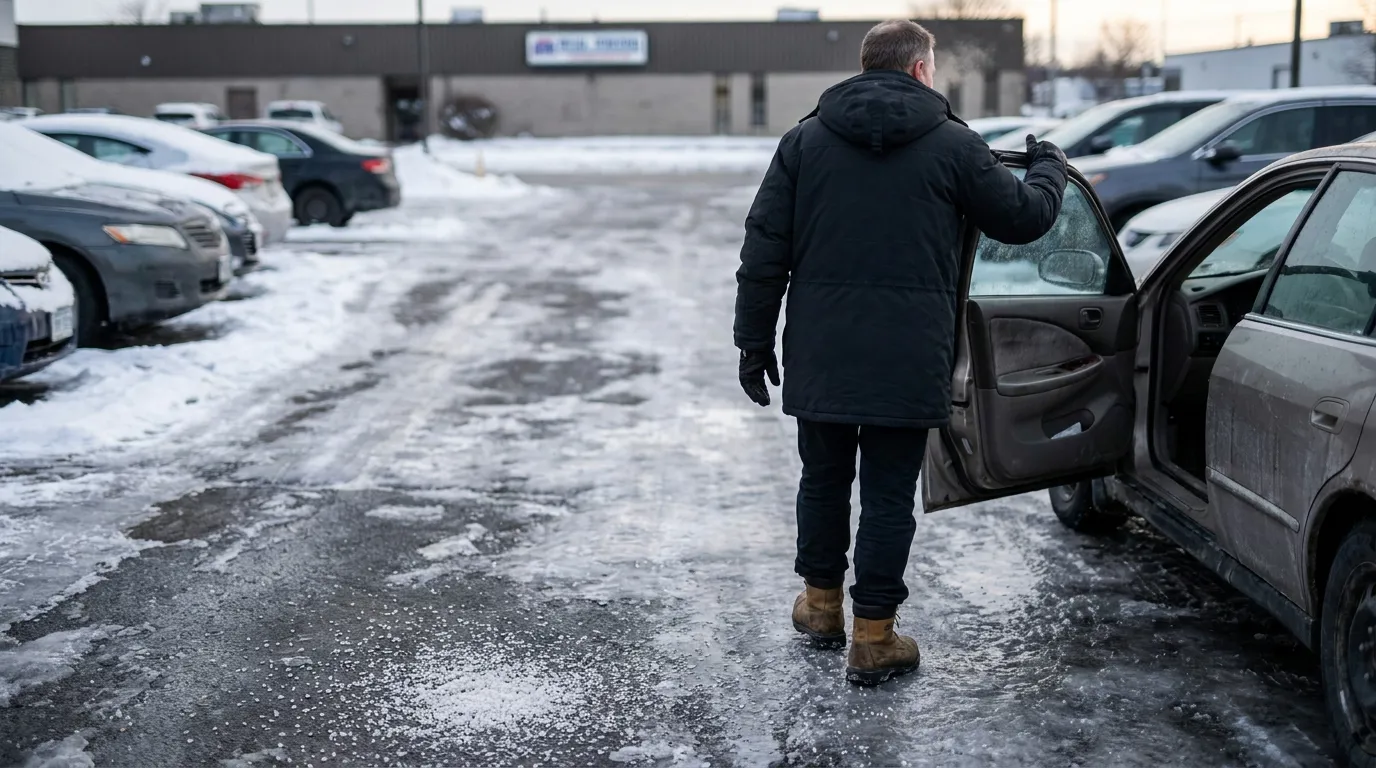
Snow and ice on a walking surface qualify as a hazardous condition that can support an injury claim. A parking lot is a classic setting for this hazard, especially during New York winters.
Who Can Bring a Claim
The scope of a landowner’s duty depends on the circumstances of the visit. In New York, a property owner owes a duty of reasonable care to those whose presence is reasonably foreseeable, and your lawful presence strongly supports that your presence was foreseeable. A trespasser whose presence is not foreseeable is generally owed little or no duty, though limited exceptions exist. For most shoppers, tenants, and visitors using a parking lot for its intended purpose, lawful presence is rarely in dispute.
💡 Pro Tip: Note exactly why you were in the lot, shopping, visiting a tenant, or parking for an appointment. Establishing lawful visitor status is often the first step in a New York premises liability analysis.
Proving Property Owner Negligence After a Fall
To recover compensation, you must prove the property owner was negligent in handling the dangerous condition. New York City Bar guidance explains that an injured person must show the owner either caused the condition, or knew or should have known about the dangerous condition and failed to fix, rope off, warn of, or clean it.
Causation is equally important. You must show the hazardous condition directly contributed to your fall. In snow and ice cases, a landowner may be liable for failing to clear accumulation or for clearing improperly and creating or leaving a dangerous condition. A poorly shoveled lot that refreezes into hidden ice can be as dangerous as one never cleared. For more on holding an owner accountable, see our overview on failure to clear snow or ice.
Core elements of a New York snow and ice claim include:
- Lawful presence: You had a legal right to be on the property, supporting that your presence was foreseeable.
- Duty and breach: The owner owed you a duty of reasonable care and failed to remedy, warn about, or block off the hazard.
- Causation: The icy condition directly caused your fall and injury.
- Damages: You suffered measurable harm, such as medical costs or lost income.
💡 Pro Tip: Photograph the ice, surrounding area, and any lack of warning signs immediately. Conditions melt or get cleared quickly, making early evidence difficult to recreate.
The Storm in Progress Rule and Other Common Defenses
The storm in progress rule is one of the most significant limits on winter slip and fall claims in New York. If snow is actively falling or has just finished when a person slips, claiming negligence becomes difficult because landowners are given reasonable time after a storm ends to clear snow and ice and are not required to do so during an ongoing storm. This rule reflects that continuous clearing during active weather is often impractical.
Notice is frequently the deciding factor. If the property owner did not have notice of a dangerous condition or could not reasonably have known about it, proving negligence becomes more difficult. The timing of your fall relative to the storm, and how long the ice existed beforehand, often matters significantly.
When a Municipality or Adjacent Landowner May Be Responsible
Responsibility may extend beyond the immediate owner, depending on who controlled the area. A municipality or adjacent landowner could be liable for failing to clear snow and ice, or for doing a poor job that created or left a dangerous condition. Determining the correct party depends on ownership, maintenance agreements, and control over the lot. Where a municipality is involved, it often cannot be held liable unless it received required prior written notice or an exception applies.
💡 Pro Tip: Keep weather records from that day. Official reports showing when snowfall started and stopped help establish whether the storm in progress rule applies.
Understanding Slip and Fall Parking Lot Settlements
Many premises liability cases resolve through negotiation rather than trial. Under NY Civil Practice Law and Rules § 5047, nothing limits the right of a plaintiff, defendant, or insurer to settle personal injury claims as they consider appropriate. For an injured party, slip and fall parking lot settlements may be reached at various points on terms the parties find acceptable.
The value of any resolution depends on the facts, including negligence evidence strength, injury severity, and available insurance. There are no guaranteed outcomes, and every case turns on specific circumstances. For more on how these claims are handled, see our page on slip and fall attorney New York residents rely on for premises cases.
| Factor | Why It Matters |
|---|---|
| Notice and timing | Shows whether the owner should have acted |
| Injury severity | Affects the scope of documented damages |
| Evidence quality | Photos and witnesses strengthen causation |
| Insurance coverage | Influences available New York injury compensation |
Deadlines and Notice Rules That Can Make or Break a Claim
New York imposes strict timing and notice requirements that can determine whether a claim survives. When a claim is brought against a village for injuries caused solely by snow or ice on a public street, sidewalk, or crosswalk, that action cannot be maintained unless written notice of the condition was actually given to the village clerk and there was failure to remedy it within a reasonable time. You can review the statutory language of this prior written notice requirement in NY Civil Practice Law and Rules § 9804. This prior written notice rule generally applies to municipalities rather than private parking lot owners, so identifying whether a notice rule applies is critical.
Most premises liability injury claims accrue at the time of the fall under NY Civil Practice Law and Rules § 214(5). NY Civil Practice Law and Rules § 203(g), which addresses time computed from actual or imputed discovery of facts, applies only where another statute already ties the limitations period to discovery and does not apply to standard premises liability personal injury claims. Courts interpret such provisions narrowly, so you should not assume any extension automatically applies. Government administrative claim deadlines, such as the short window to serve a notice of claim on a municipality, are separate from civil lawsuit deadlines, and both may involve short windows.
Under NY Real Property Actions and Proceedings Law § 778(6), which arises when an administrator is appointed to manage a building, the appointment does not relieve an owner of liability for injury by reason of premises conditions where the owner would otherwise have been liable. These layered rules explain why prompt legal guidance is valuable.
💡 Pro Tip: Because deadlines differ and can be short, speak with a lawyer soon after your fall. Waiting can risk losing the right to pursue compensation.
Frequently Asked Questions
-
Can I still recover if it was snowing when I fell?
It depends on timing. The storm in progress rule generally means owners are given reasonable time after a storm to clear snow and ice and are not required to do so during an active storm, making negligence hard to prove. However, ice that existed before the storm may still support a claim.
-
What if the lot was shoveled but still icy?
A poor clearing job can create liability. A landowner may be responsible for clearing snow improperly and leaving or creating a dangerous condition, such as refrozen ice. Evidence showing negligent clearing can be central to a claim.
-
Who is responsible, the store or the property owner?
It varies by who controlled the lot. Responsibility may fall on the owner, tenant, adjacent landowner, or municipality, depending on maintenance duties and control. Determining the correct party is fact-specific.
-
How quickly should I act on a slip and fall claim New York?
Promptly. Deadlines apply, and some claims against municipalities require written notice before a lawsuit can proceed. Acting quickly helps preserve your options.
-
What evidence helps prove property owner negligence New York?
Documentation is key. Photos of the ice, weather records, witness contact information, and medical records all help establish the hazard, causation, and damages.
Protecting Your Rights After a Winter Parking Lot Injury
Snow and ice in a parking lot can lead to a New York injury claim when the facts show owner negligence, causation, and measurable harm. The storm in progress rule, notice requirements, and filing deadlines all shape whether a case moves forward, and each depends on specific circumstances. Because these rules are nuanced and outcomes are never guaranteed, understanding your rights early gives you the best chance to pursue fair compensation.
If a snow and ice slip and fall in New York has left you injured, Goldberg Sager & Associates is ready to listen and explain your options during a free consultation. Call us at 718-645-6677, send us a message through our confidential contact form, or learn more about our team on our firm website to take the next step toward protecting your claim.