Understanding Fault in New York Bus Crash Cases
Key Takeaways: Liability after a Brooklyn bus accident depends on whose negligence caused the crash, with potentially responsible parties including the bus driver, bus company or transit authority, vehicle manufacturer, government road agency, or another negligent motorist. While New York once held buses to a heightened "utmost care" standard as common carriers, the state now applies an ordinary reasonable-care standard. New York’s pure comparative negligence rule lets injured parties recover even when partly responsible, with damages reduced by their percentage of fault. Strict deadlines apply, generally three years for personal injury claims but as few as 90 days to file a Notice of Claim against government-operated buses. Identifying every liable party early and preserving evidence such as video footage, maintenance logs, and witness statements is critical to fair compensation.
Determining who is liable after a Brooklyn bus accident depends on whose negligence caused the crash and how New York law assigns responsibility. Liability may rest with the bus driver, bus company or transit authority, vehicle manufacturer, government road agency, or another negligent motorist. In many cases, more than one party shares fault, and New York’s comparative negligence framework allows injured parties to pursue recovery even when responsibility is divided.
If you were hurt in a crash, the team at Goldberg Sager & Associates is ready to help you understand your rights. Call our office at 718-645-6677 or reach out through our contact page to discuss your situation.
Why Bus Accidents Happen on Brooklyn Streets
Bus crashes remain a serious safety concern in dense urban areas like Brooklyn. According to the FMCSA Large Truck and Bus Crash Facts 2021 report, over 48,000 bus crashes occurred in the United States in 2021, resulting in 221 fatalities and roughly 18,000 injuries. Brooklyn’s heavy traffic, frequent stops, and crowded intersections compound these dangers.
Common causes include driver fatigue, distraction, speeding, improper maintenance, and failure to yield. Because buses carry many passengers and weigh far more than passenger cars, even low-speed collisions can cause severe injuries such as broken bones, spinal damage, or traumatic brain injury. Understanding the cause requires preserving evidence quickly, including video footage, maintenance logs, and witness statements.
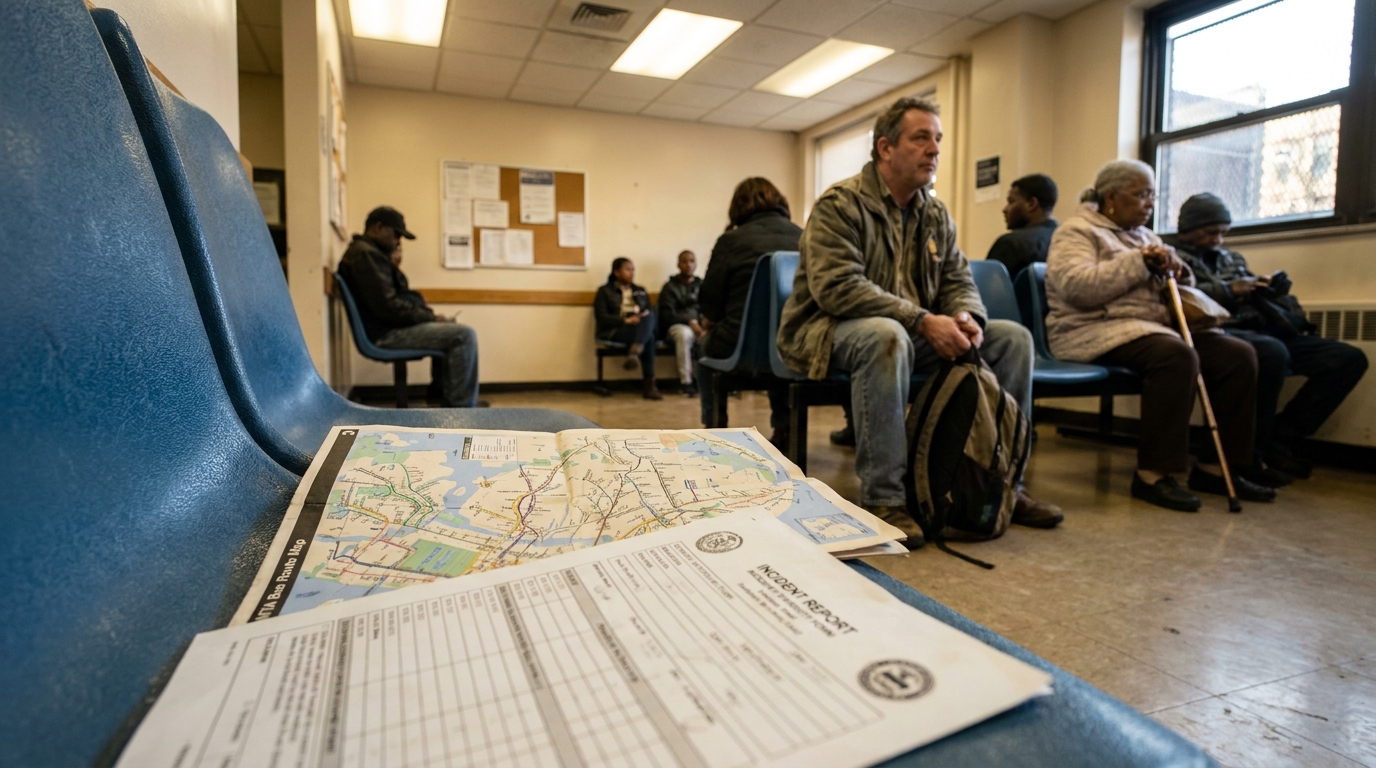
💡 Pro Tip: After any bus accident, request a copy of the incident report and photograph the scene if you are able. This documentation can become critical evidence if liability is later disputed.
The Higher Duty of Care Owed by Bus Companies
Bus companies are classified as "common carriers," historically associated with a heightened standard of care. Many states apply an "utmost care" standard requiring greater caution than ordinary drivers owe one another. New York, however, abandoned the heightened common-carrier standard in Bethel v. New York City Transit Authority (1998) and now holds carriers to the same ordinary reasonable-care standard that applies to everyone.
This standard governs both private bus lines and public transit operations, though procedures differ. Private operators are treated like other commercial defendants, while claims involving public entities follow separate rules discussed below.
Identifying Every Liable Party Bus Accident in Brooklyn Claims May Involve
Pinpointing each responsible party is essential because compensation may come from several sources. A thorough investigation often reveals that fault is shared among multiple entities. The table below outlines parties who may bear responsibility and the typical basis for their liability.
| Potentially Liable Party | Basis for Liability |
|---|---|
| Bus driver | Negligent operation, distraction, or fatigue |
| Bus company or transit authority | Negligent hiring, training, or supervision; vicarious liability |
| Vehicle or parts manufacturer | Defective brakes, tires, or other components |
| Government road agency | Hazardous road design or poor maintenance |
| Third-party negligent driver | Causing or contributing to the collision |
Because liability can extend across these categories, an mta bus accident claim may differ significantly from a claim against a private operator. Claims against government-operated buses are subject to strict procedural rules. Working with a brooklyn bus accident lawyer early can help ensure that no responsible party is overlooked.
💡 Pro Tip: Keep a written timeline of events, medical visits, and any communication with insurers. Organized records make it easier to demonstrate how an injury occurred and who may be responsible.
How New York’s Comparative Negligence Rule Affects Recovery
New York follows a pure comparative negligence system, meaning your own partial fault does not bar recovery. Under CPLR Article 14-A, Section 1411, culpable conduct attributable to a claimant does not bar recovery but instead reduces damages in proportion to that fault. If 60% of fault is assigned to the defendant and 40% to the plaintiff, the plaintiff recovers 60% of damages.
Under the pure comparative negligence rule, an injured party may claim damages even when largely responsible, recovering for the percentage they were not at fault. A minority of states follow this pure rule, including California and New York. Notably, assumption of risk is treated the same as contributory negligence under Section 1411, reducing but not eliminating recovery.
The burden of proving a plaintiff’s share of fault rests with the defendant. Under CPLR Article 14-A, Section 1412, the defendant bears the burden of pleading and proving the plaintiff’s contributory negligence or assumption of risk. This means an injured person is not automatically presumed careless.
Deadlines That Can Make or Break Your Claim
New York law generally gives an injured person three years to file a personal injury lawsuit after a Brooklyn bus accident. Under CPLR § 214(5), an action to recover damages for personal injury must generally be commenced within three years. CPLR § 214(4) applies the same three-year period to property damage claims. Wrongful death claims are generally subject to a separate two-year limitations period.
Claims against government entities follow a much shorter timeline. When a city transit agency or school district operates the bus, you generally must file a formal Notice of Claim within 90 days, and the suit itself is subject to a shortened limitations period; missing the Notice of Claim deadline can permanently bar a lawsuit. This administrative requirement is distinct from the civil statute of limitations. Courts generally interpret exceptions and tolling provisions narrowly.
💡 Pro Tip: If a public bus was involved, treat the Notice of Claim deadline as urgent. Because these timelines are short and interpreted strictly, prompt action helps preserve your ability to recover.
Tolling or extension rules may apply only in limited circumstances. If you are uncertain about which timeline applies, review your legal options after a New York bus accident with a qualified attorney.
Why Hire a Brooklyn Bus Accident Lawyer
A knowledgeable attorney can help injured riders navigate complex liability questions and protect their rights. Bus accident cases often involve multiple defendants, insurance carriers, and government procedures. An experienced advocate can investigate the crash, preserve evidence, and work with medical and accident reconstruction professionals to build a strong case.
Steps an attorney may take to support your bus accident injury new york claim include:
- Identifying every potentially liable party and applicable insurance coverage
- Calculating medical costs, lost wages, and pain and suffering
- Meeting strict Notice of Claim and statute of limitations deadlines
- Preparing the case for settlement negotiations or trial
Firms with a proven track record understand how to counter insurers who attempt to downplay injuries. If you need broader guidance, learning more from a trusted resource for brooklyn auto accident attorney services can help you understand your next steps.
Frequently Asked Questions
-
Who can be held liable after a Brooklyn bus accident?
Liability may fall on several parties depending on the facts. The bus driver, bus company or transit authority, parts manufacturer, government road agency, or third-party driver could each bear responsibility. In many cases, fault is shared.
-
Can I recover damages if I was partly at fault?
Yes, under New York’s pure comparative negligence rule, partial fault does not bar recovery. Under CPLR § 1411, your damages are reduced by your percentage of fault rather than eliminated.
-
How long do I have to file a bus accident lawsuit in New York?
You generally have three years for a personal injury claim under CPLR § 214(5). However, claims against government-operated buses generally require a Notice of Claim within 90 days and are subject to a shortened limitations period.
-
What makes bus companies different from ordinary drivers?
Bus companies are classified as common carriers. While many states apply a heightened "utmost care" standard, New York holds carriers to an ordinary reasonable-care standard. What primarily distinguishes public from private operators is procedure, such as the Notice of Claim requirement for government buses.
-
Why should I speak with a brooklyn bus crash lawyer quickly?
Acting quickly helps preserve evidence and protect short deadlines. Video footage, maintenance records, and witness accounts can disappear over time. Early legal guidance helps ensure no liable party or filing deadline is missed.
Protecting Your Rights After a Brooklyn Bus Crash
Determining liability after a Brooklyn bus accident requires careful attention to New York law, strict deadlines, and the conduct of every party involved. From the duty owed by common carriers to the pure comparative negligence framework under CPLR Article 14-A, the rules can significantly affect your ability to recover. Because government claims involve separate and often very short timelines, prompt action is essential.
If you or a loved one was injured, the attorneys at Goldberg Sager & Associates are prepared to help you pursue fair compensation. Call us today at 718-645-6677 or schedule a consultation online to learn how we can support your recovery.